


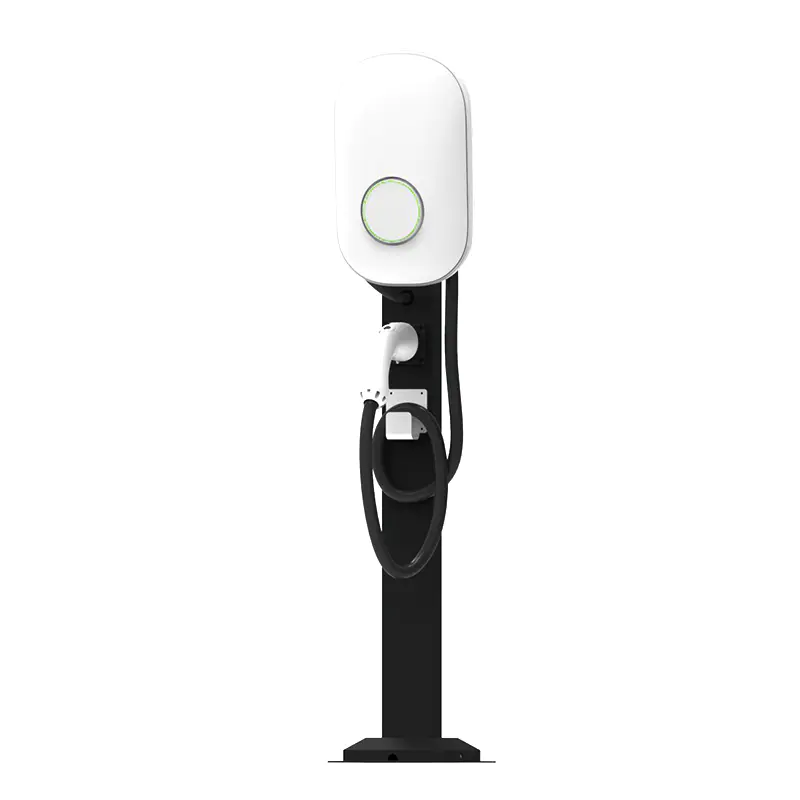
Zhejiang Sinray Electronics : Your Trustworthy Portable Electric Battery Charger Supplier!
Zhejiang Sinray Electronics Co., Ltd. is one of the leading companies in China specializing in the research, development and sales of new energy electric vehicle charging stations and AC and DC charging piles. We have a strict quality assurance system, a complete management system, and high-quality product after-sales service which are our foundation.
Rich Products
We can produce AC electric vehicle chargers, DC electric vehicle chargers, portable electric vehicle chargers, DC fast chargers, 30KW DC electric vehicle chargers, AC vehicle chargers and 22KW AC chargers, etc.
Products Widely Used
We manufacture products for residential charging, commercial use, parking lots, public spaces, dealers and service centers, corporate campuses, municipal infrastructure, car-sharing services and more.
Customizable
Our products can be OEM customized and we hold more than 60 utility model patents; we also provide comprehensive solutions including process flow support, automation technology, services and training.
Quality Assurance
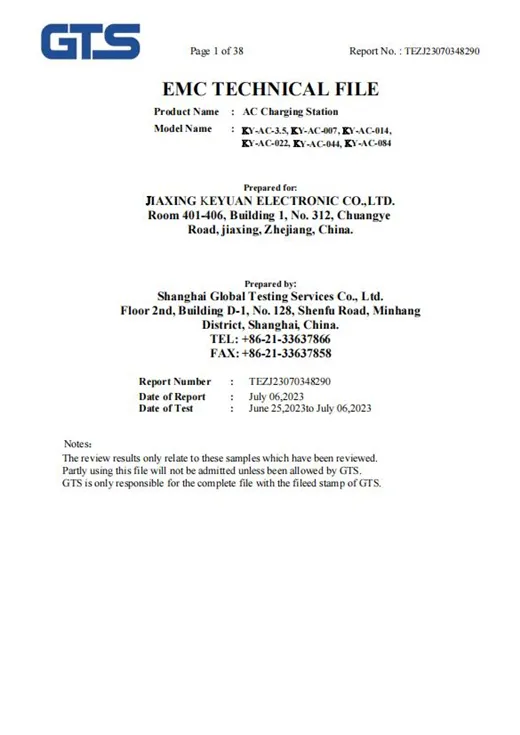
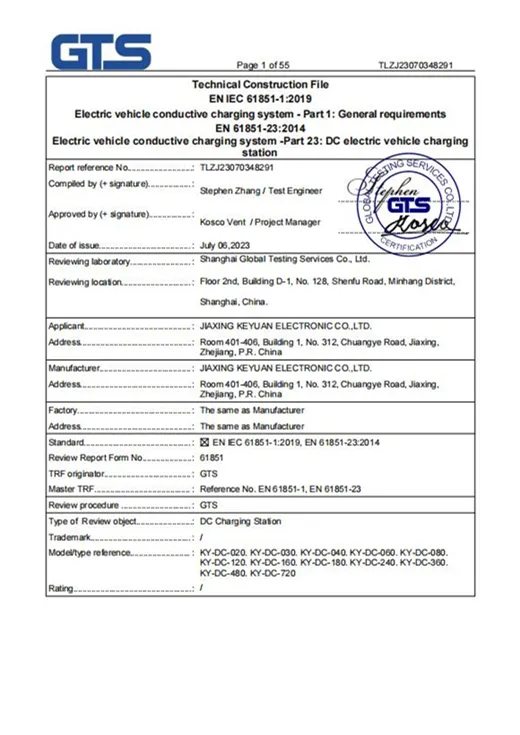
The products produced by our company have passed GTS and CE quality standards. During the warranty period, we will provide after-sales service free of charge.
Related Product Introduction

A Portable Car Charger For EV is a compact, mobile device designed to charge an EV's battery using alternating current (AC) from standard household electrical outlets or dedicated home charging stations. These portable chargers are also known as level 1 (L1) chargers because they operate at a standard household voltage, usually 110 to 120 volts.

Ev Portable Fast Charger For Electric Vehicle
An EV Portable Fast Charger for Electric Vehicles is a specialized device designed to rapidly charge an electric vehicle's battery when away from home or traditional charging stations. Unlike standard portable chargers, which are essentially Level 1 chargers providing power at household current levels (110-120 volts), portable fast chargers are more akin to Level 2 chargers that operate at higher voltages (208-240 volts).

A Portable EV Charger 240V is a mobile electric vehicle (EV) charging device capable of delivering power at a higher voltage, specifically 240 volts, which is the same voltage commonly used by household appliances like clothes dryers and stoves. This type of portable charger is designed to function similarly to a Level 2 charging station found at public charging points but with the added flexibility of being transportable.

Emergency Portable Ev Car Charger
An Emergency Portable EV Car Charger is a compact, lightweight device designed for electric vehicle owners to carry in their vehicles for use during unexpected situations when they may run out of charge away from home or standard charging stations. These chargers are typically capable of connecting to standard household electrical outlets or may include an inverter that allows for charging from a 12-volt DC source, such as a car cigarette lighter or a portable power bank.

A Portable Charger for an EV Car is a compact, battery-powered device designed to provide a small amount of supplemental charge to an electric vehicle's battery pack when away from fixed charging stations. It functions similarly to a power bank for smartphones, storing a limited amount of electricity that can be transferred to the EV to extend its range in an emergency or when no charging infrastructure is available.

EV Rescue Portable Electric Vehicle Charging System
The EV Rescue Portable Electric Vehicle Charging System is a compact, portable device designed to provide emergency charging for electric vehicles (EVs). This system is intended for use by emergency services personnel, roadside assistance providers, or individuals who may find themselves with an EV that has run out of charge in an area without immediate access to a charging station.

7KW Portable Elecetric Car Charger
A 7kW Portable Electric Car Charger is a mobile electric vehicle (EV) charging unit that provides an output power of 7 kilowatts. This type of charger is categorized as a Level 2 charger, which is more powerful than the standard Level 1 charger that comes with most EVs and plugs into a household outlet.

Portable Level 2 Electric Car Charger
A Portable Level 2 Electric Car Charger is an EV charging device that offers a faster charging rate compared to the standard Level 1 charger that plugs into a regular household outlet. This type of charger typically operates at 208 to 240 volts and is capable of adding about 10 to 25 miles of range per hour to an electric vehicle, depending on the vehicle's capacity and charger efficiency.
Portable Type 2 EV Charger 15 Amp
A Portable Type 2 EV Charger 15 Amp refers to a mobile electric vehicle charging unit that uses the Type 2 connector, also known as the Mennekes plug, which is standard in Europe and many other parts of the world. The "15 Amp" designation indicates the current capacity of the charger, meaning it draws up to 15 amperes when connected to a compatible power source.
What is Portable Electric Battery Charger
A portable electric battery charger, also known as a power bank, is a compact device designed to recharge the batteries of electronic devices such as smartphones, tablets, cameras, and handheld gaming consoles. It typically contains one or more rechargeable batteries and is equipped with USB ports or other connectors to supply power to connected devices.
Features of Portable Electric Battery Charger
Our product only takes 5 minutes to charge from 0% to a single start, and you can hit the road immediately. With 65W USB-C Power Delivery input and output, the battery pack fully charges in 1.5 hours; it's also enough to power your MacBook Pro 13-inch, laptop, phone, and other USB-C devices.
Multiple Charging Ports
The Portable Electric Battery Charger features multiple charging ports, allowing you to charge multiple devices at the same time.
Intelligent Detection Display
We use a 3.0-inch smart screen, which is easy to use. This Portable Electric Battery Charger can intelligently detect and display the battery voltage and remaining power in real time, allowing you to see it at a glance.
Ultimate Security
We take TenSafe technology and improve it. With our error-free design with reverse polarity and anti-spark technology, you don't have to worry about connection errors. and delivers stronger performance and longer battery life through enhanced thermal efficiency and power management.
Types of Portable Electric Battery Charger
Car Charger
Car chargers are the most basic portable chargers that usually come with your car and can be plugged directly into a household power source for charging.
Portable Fast Charger
Portable fast chargers are usually Level 2, with powers ranging from 6 to 22 kilowatts. Although they are faster than home slow chargers, they are still suitable for use in private garages or public charging stations.
Mobile Emergency Charger
Mobile emergency chargers are specifically designed for use in emergencies and are low-power, but enough to provide an electric vehicle with a temporary charge to drive to the nearest charging station.
Solar Power Charger
Solar chargers use solar panels to convert solar energy into electricity to charge electric vehicles, and are suitable for outdoor use or in areas without grid coverage.
Multifunctional Charger
The multi-functional charger integrates a variety of charging interfaces and smart charging technology. It is compatible with a variety of car models and provides overload protection and other functions.
Wireless Charging Pad
Wireless charging pads use electromagnetic fields to transmit energy and achieve contactless charging, paving the way for future electric vehicle charging technology.
Working Principle of Portable Electric Battery Charger
Input Power
One end of the charger plugs into a power outlet, usually a household or public 220-240 volt AC outlet.
Rectifier
Once connected to a power source, a rectifier component in the charger converts AC power to DC power. This usually involves a diode or rectifier bridge, which only allows current to flow in one direction, converting the positive and negative waveforms of AC into a continuous DC waveform.
Filter
Although rectified DC has had the ripples of AC removed, it still contains ripple (a high-frequency DC component). To get smoother DC, the charger removes these ripples through a filter (usually a combination of capacitors and inductors).
Voltage Stabilization
In order to ensure that the voltage received by the battery remains stable and avoid damage to the battery due to voltage fluctuations, the charger will use a voltage regulator (usually a switching regulator or linear regulator) to maintain a constant output voltage.
Charge Control
Modern chargers have built-in microprocessor-controlled charge management systems that monitor the battery's charge status, including voltage, current, and temperature. This system adjusts charging parameters based on the battery's condition to optimize charging efficiency and protect the battery from overcharging or overheating.
Charging Batteries
The pure DC power after rectification, filtering and voltage stabilization is fed into the battery pack of the electric vehicle. According to the chemical characteristics and charging needs of the battery, the current will gradually fill the battery cells until they are fully charged.
Parts of Portable Electric Battery Charger
Power Plug
The part used to connect the charger to an electrical outlet, which may be a standard household plug or a specialized industrial plug.
Cables and Wires
The wires that carry power from the power source to the charger's internal circuitry usually have some heat and abrasion resistance.
Rectifier
Rectifier An electronic component that converts alternating current (AC) to direct current (DC), usually containing a bridge rectifier or other form of rectifier circuit.
Filter
Filters usually include capacitors and inductors, which are used to smooth out the rippled DC power after rectification and provide a more stable DC output.
Stabilizer
The voltage regulator can be a switching regulator or a linear regulator, which is used to ensure that the output DC voltage remains within a set range to prevent the voltage from being too high or too low.
Charging Control Circuit
Charging control circuitry typically includes a microprocessor and firmware that monitors and manages the entire charging process, including regulating current, voltage, and handling communications with the vehicle.
Interface/Connector
The interface/connector is used to connect the charger to the charging port of the electric vehicle, and may be one of Type 1, Type 2, CHAdeMO, CCS and other standards.
Cooling System
In some high-performance chargers, fans, heat sinks, or other cooling mechanisms may be included to prevent the charger and battery from overheating.
Housing and Stand
Structure that protects internal components from physical damage while providing portability and stability.
Indicators and Displays
Provides visual feedback on charging status, such as charging progress, fault indication, etc.
How to Choose Portable Electric Battery Charger
Compatibility
Check if the charger is compatible with your electric car model. Verify the connector type (e.g., Type 1, Type 2, etc.) and make sure it matches your vehicle's inlet.
Power Output
A charger's power output, measured in kilowatts, determines how quickly it can charge an electric vehicle. Higher power output means faster charging, but also requires a higher-capacity power source. Evaluate your typical charging scenarios to determine the appropriate power level.
Charging Rate
Understand the maximum rate at which a charger can increase the range of an electric vehicle. This is usually expressed in miles per hour or kilometers per hour. Higher charging rates mean you spend less time charging.
Cable Length
Consider the length of the charging cable. Longer cables provide greater flexibility in parking position relative to the power source.
Portability
Look for a charger that balances weight and durability. If you need to carry it around frequently, a lighter design may be better without compromising on sturdiness.
Easy to Use
Choose a charger with a clear interface, whether through LED lights, a screen, or a smartphone app. This makes it easier to monitor charge status.
Security Function
Make sure the charger has built-in safety features such as overvoltage protection, overcurrent protection, temperature control, and ground fault protection to protect you and your vehicle.
Brand Reputation and Warranty
Choose a charger from a reputable brand that offers a warranty. This provides quality assurance and customer support should any issues arise.
Price
Compare prices, taking into account the balance between cost and functionality. More expensive chargers may offer additional features or higher performance, but they should fit within your budget.
Additional Features
Some chargers may come with additional features such as GPS, internet connectivity for remote monitoring, or the ability to charge two devices at the same time. Weigh the usefulness of these features against their cost.
How to Use Portable Electric Battery Charger
Find the Power Source
Find a suitable electrical outlet. For home use, this can be a standard household socket. Public charging stations may require different adapters or connectors.
Connect the Charger
Plug the charger into a power source. Make sure the connection is secure and the charger is properly plugged into the outlet.
Connect the Charger to Your Electric Car
Using the correct cable for your vehicle, connect the charger to your electric vehicle's charging port. Make sure the connection is strong and reliable.
Start Charging
Once connected, the charger will usually start charging automatically. If there is a power button or switch, make sure it is in the "on" position. Some chargers may require you to activate them through a smartphone app or by pressing a button on the charger itself.
Monitor Charging
Keep an eye on the charger's status light or reading to monitor charging progress. If you use a smart charger, you may be able to check the charge remotely through a mobile app.
End Charging
When charging is complete or you need to unplug, press the "Stop" or "Unlock" button on the charger (if available). Then, disconnect the charger from the EV charging port.
Disconnect Charger From Power Source
Unplug the charger from the electrical outlet. Be sure to do this carefully to avoid any shock or accidental disconnection.
Store Charger
Store the charger in a safe, dry place. Avoid extreme temperatures as they can affect charger performance and lifespan.
How to Maintain Portable Electric Battery Charger
Regular Cleaning
Clean the charger with a soft, damp cloth. Avoid using abrasive cleaners that may damage the surface. Wipe cable and connector ends to remove dust or debris.
Store
When not in use, store the charger in a cool, dry place away from direct sunlight and moisture. Extreme temperatures can degrade the performance of batteries and other components.
Battery Maintenance
Do not allow the charger's own battery to become completely drained. It's best to keep the charge between 20% and 80%. If you know you won't be using your charger for an extended period of time, keep it charged at around 50%.
Avoid Physical Damage
Protect charger from falls, falls and physical impacts. A hard shell case or protective case helps prevent damage during shipping.
Check Connection
Regularly check cables and plug connections for wear or damage. Make sure they are in good condition to maintain a strong and secure connection during charging.
Follow Manufacturer's Recommendations
See the user manual for maintenance tips specific to your charger. Different models may have unique maintenance requirements or recommendations.
Examine
Check your charger regularly for signs of wear, such as frayed cables, loose parts, or any unusual odors that may indicate overheating or damage.
Software Update
If your charger is connected to an app or software platform, be sure to update it with the latest firmware or software updates from the manufacturer.
Professional Maintenance
If you notice any problems with your charger, such as erratic behavior or reduced charging efficiency, have it checked by a professional. Do not attempt to repair it yourself unless you are qualified.
Certificate




Frequently Asked Questions
Q: What is a portable electric battery charger used for?
Q: How does a portable electric battery charger work?
Q: Can any portable charger be used with any electric vehicle?
Q: How fast can a portable charger refill my EV's battery?
Q: What is the typical charging rate for a portable electric battery charger?
Q: Are there different levels of portable EV chargers?
Q: How do I know if a portable charger is compatible with my EV?
Q: Can I use a portable EV charger outdoors?
Q: Is it safe to leave my portable EV charger unattended?
Q: How long does it take to charge my EV with a portable charger?
Q: Can I charge two electric vehicles simultaneously with one portable charger?
Q: What should I do if my portable EV charger stops working?
Q: How often should I maintain my portable EV charger?
Q: Can I take my portable EV charger with me on trips?
Q: Does the charger need to be grounded to work safely?
Q: What should I do if I see sparks or smoke coming from my portable EV charger?
Q: Is it possible to charge an electric car with a portable battery pack?
Q: Can I use a portable EV charger in an RV or boat?
Q: How much does a portable electric battery charger typically cost?
Q: Are there any government incentives for purchasing a portable EV charger?
Hot Tags: portable charger for ev car, China portable charger for ev car manufacturers, suppliers, factory, EV Quick Charger, 180 KW EV Charger, DC EV Charger, AC Charging For Electric Vehicles, 40KW Rapid Charger, Portable Level 2 Electric Car Charger