


DC EV Charger
Zhejiang Sinray Electronics : Your Trustworthy DC EV Charger Supplier!
Zhejiang Sinray Electronics Co., Ltd. is one of the leading companies in China specializing in the research, development and sales of new energy electric vehicle charging stations and AC and DC charging piles. We have a strict quality assurance system, a complete management system, and high-quality product after-sales service which are our foundation.
Rich Products
We can produce AC electric vehicle chargers, DC electric vehicle chargers, portable electric vehicle chargers, DC fast chargers, 30KW DC electric vehicle chargers, AC vehicle chargers and 22KW AC chargers, etc.
Products Widely Used
We manufacture products for residential charging, commercial use, parking lots, public spaces, dealers and service centers, corporate campuses, municipal infrastructure, car-sharing services and more.
Customizable
Our products can be OEM customized and we hold more than 60 utility model patents; we also provide comprehensive solutions including process flow support, automation technology, services and training.
Quality Assurance
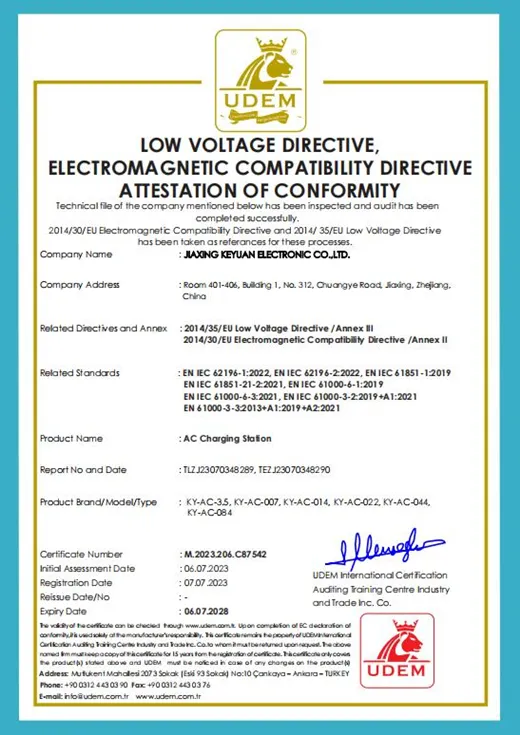
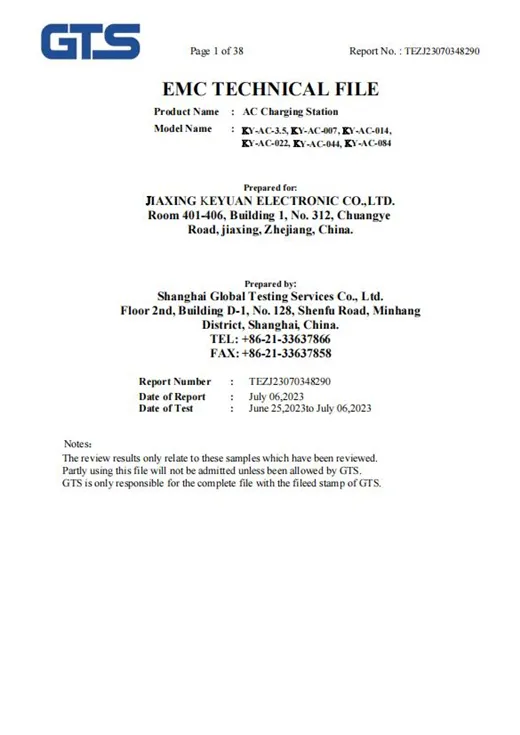
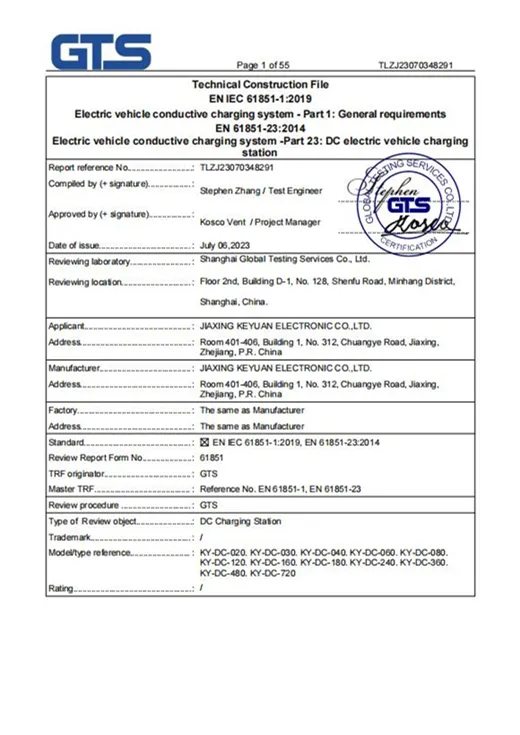
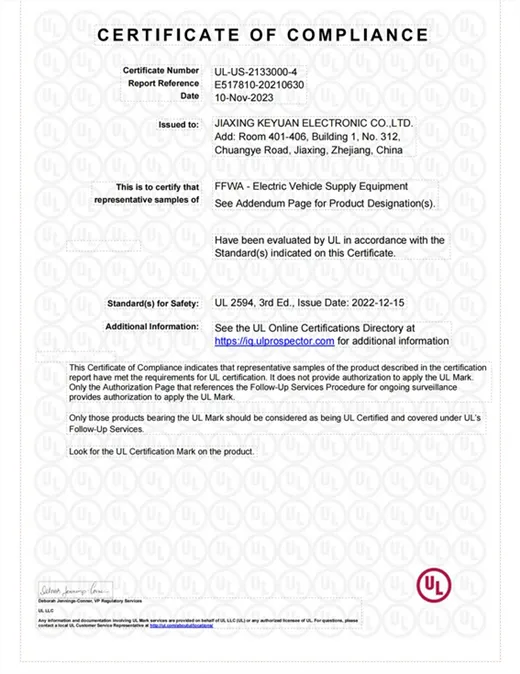
The products produced by our company have passed GTS and CE quality standards. During the warranty period, we will provide after-sales service free of charge.


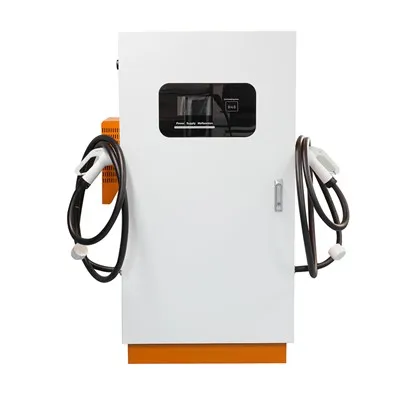


What is DC EV Charger
A DC EV charger, also known as a direct current fast charger or simply a fast charger, is a type of electric vehicle charging station that provides electric energy directly in the form of Direct Current (DC) to an electric vehicle. Unlike Alternating Current (AC) chargers, which supply AC power to the vehicle's on-board charger to convert it to DC, DC fast chargers bypass this step by delivering DC power ready for the vehicle's battery pack.
Features of DC EV Charger
Fast Charging
DC chargers can deliver power at a higher rate than AC chargers, allowing faster charging of electric vehicles.
Fast Efficiency
Compared to AC chargers, DC chargers are more energy efficient, resulting in a faster and more efficient charging process.
Integrated Cables and Connectors
Streaming chargers often come with integrated charging cables and connectors, which are very convenient and user-friendly for EV owners.
Strong Communication Function
DC chargers may have communication capabilities that allow data exchange between the charger and the electric vehicle, enabling smart charging functions and monitoring.
High Power Output
DC chargers typically have high power output capabilities that enable fast charging to quickly charge the batteries of electric vehicles.
Good Safety Features
The DC charger is equipped with safety features such as overcurrent protection, overvoltage protection, and temperature monitoring to ensure safe and reliable charging.
Types of DC EV Charger
Level 2 Chargers With DC Fast Charging Option
Some Level 2 chargers (typically rated between 208-240V AC) offer an onboard DC fast charging port that can provide a quicker charge using DC power. These are less common compared to dedicated DC fast chargers.
Combined Charging System
CCS is a standard that combines both AC and DC connections. It is prevalent in Europe and the United States, with power outputs ranging from 50 kW to over 350 kW for the latest installations.

Parts of DC EV Charger
Rectifier
The rectifier is a crucial component of a DC EV charger that converts alternating current (AC) power from the grid into direct current (DC) power that can be utilized to charge the electric vehicle's battery. This conversion process is essential, as electric vehicles require DC power for charging.
Converter
The converter in a DC EV charger is responsible for controlling the power output and regulating voltage levels to match the requirements of the electric vehicle's battery. It ensures that the DC power delivered to the vehicle's battery is at the right voltage and current levels for safe and efficient charging.
Charging Cable
The charging cable is the physical connection between the DC EV charger and the electric vehicle. It carries the DC power from the charger to the vehicle's battery for charging. Charging cables are designed to be durable and capable of handling high-power charging currents.
Cooling System
The cooling system in a DC EV charger helps dissipate heat generated during the charging process. As charging at high power levels can generate heat, the cooling system ensures that the charger operates within safe temperature limits and maintains its efficiency over extended charging sessions.
Control Unit
The control unit of a DC EV charger manages the charging process. It communicates with the electric vehicle to establish compatibility, verify safety protocols, and regulate the power delivery. The control unit plays a crucial role in ensuring that the charging process is safe, efficient, and optimized for the specific requirements of the electric vehicle.
Display
A display unit is often included in DC EV chargers to provide users with essential information during the charging process. The display typically shows charging status, power levels, notifications, and sometimes additional data such as energy consumption and charging time estimates. This information helps users monitor the charging process and stay informed about the status of their electric vehicle.
Safety Features
Safety features are integral components of DC EV chargers to ensure the safety of both the charger and the electric vehicle. These features include overcurrent protection, overvoltage protection, short-circuit protection, and ground fault protection. They help prevent damage to the charger and ensure safe charging operations without risking the electrical system or the vehicle's battery.
Working Principle of DC EV Charger
Filter
The pulsating DC waveform output from the rectifier contains fluctuations and ripples. To eliminate these variations and obtain a more stable DC output, a filter circuit (usually a capacitor) is used. This filtering helps provide a more stable and reliable DC power supply for charging.
Voltage Conversion
Once the AC power is rectified and filtered, the DC voltage output may need to be adjusted to meet the requirements of the EV battery. The converter circuit is used to step up or step down the voltage as needed to ensure compatibility with the vehicle's battery system.
Charging Protocol Communication
Modern DC EV chargers typically communicate with EVs via communication protocols such as CAN (Controller Area Network) or Ethernet. This communication is critical for the charger to identify the vehicle, establish appropriate charging protocols, and exchange necessary data for safe and efficient charging.
Charge Control
The charger's control unit manages the charging process, monitoring parameters such as voltage, current and charging duration. It regulates power output to meet the vehicle's requirements, adhering to safety standards and protocols to ensure reliable and safe charging operations.
Cooling System Operation
During the charging process, the charger may generate heat due to high-power charging operation. Employ a cooling system such as a fan or liquid cooling to dissipate heat and keep the charger's temperature within a safe range for optimal performance and longevity.
Safety Function Monitoring
Throughout the charging process, the charger continuously monitors various safety features. These may include protection against overcurrent, overvoltage, short circuit and ground fault. If any abnormalities are detected, the charger can automatically shut down to prevent damage or danger.
Charging Status Display
Chargers typically provide a user interface or display to display charge status, power level, and any notifications or alerts. This allows users to monitor charging progress and stay informed about the status of their EV charging session.
How to Choose DC EV Charger
Charging Speed
Consider the charging speed offered by the DC EV charger. Higher power chargers can charge your electric vehicle faster, but make sure your vehicle is compatible with the charger's power output.
Compatibility
Ensure that the DC EV charger is compatible with your electric vehicle's charging port. Different vehicle models may require specific connector types such as CHAdeMO, CCS, or Tesla-specific connectors.
Power Output
Check the power output of the charger. Some DC chargers offer variable power levels, so choose one that meets your vehicle's charging capabilities without overloading the battery.
Charging Network
Consider the availability of charging stations using the same standard as your DC EV charger. Look for a network of charging stations that support the same connector type as your charger for convenience during long journeys.
Ease of Use
Look for user-friendly features such as a clear display, easy-to-use interface, and reliable communication protocols to ensure a seamless charging experience.
Safety Features
Ensure that the DC EV charger has built-in safety features such as overcurrent protection, overvoltage protection, and ground fault protection to safeguard both the charger and your electric vehicle during the charging process.
Cooling System
Consider the charger's cooling system, especially if you plan to use it for high-power charging. A robust cooling system can help maintain the charger's efficiency and prolong its lifespan.
Brand Reputation
Choose a DC EV charger from a reputable manufacturer with a track record of producing reliable and high-quality charging equipment. This can help ensure the longevity and performance of your charger.
Future Proofing
Consider future advancements in EV technology. Opting for a charger with higher power output or advanced features may future-proof your charging setup as EV technology continues to evolve.
Cost
Finally, consider the cost of the DC EV charger, including installation expenses if applicable. Balance the features, quality, and pricing to choose a charger that offers the best value for your needs.
How to Install DC EV Charger
Select a Location
Choose a suitable location for installing the DC EV charger. It should be close to your electric vehicle parking spot, easily accessible, and comply with local regulations and safety standards.
Assess Electrical Capacity
Determine if your electrical system can support the power requirements of the DC EV charger. Check with a qualified electrician to ensure that your electrical panel and wiring can handle the load of the charger.
Obtain Permits
Before proceeding with the installation, obtain any necessary permits or approvals from the local authorities or building management. Compliance with building codes and regulations is essential for a safe and legal installation.
Install Electrical Infrastructure
Arrange for an electrician to install the necessary electrical infrastructure for the DC EV charger. This includes wiring the charger to the electrical panel, ensuring proper grounding, and installing any required conduit or cabling.
Mounting the Charger
Once the electrical infrastructure is in place, securely mount the DC EV charger according to the manufacturer's guidelines. Ensure that the charger is positioned at the right height and angle for convenient access and usability.
Connect the Charger
Connect the DC EV charger to the electrical wiring following the manufacturer's instructions. Make sure to securely fasten the connections and test the electrical supply to confirm proper functioning.
Safety Check
Conduct a safety check to ensure that all electrical connections are secure, the charger is properly installed, and there are no exposed wires or hazards. Consider performing a test charge to verify the charger's functionality.
Commissioning and Testing
Once the installation is complete, commission the DC EV charger by following the manufacturer's setup instructions. Test the charger with your electric vehicle to confirm that it charges correctly and communicates effectively with the vehicle.
Final Inspection
Have a qualified electrician or inspector perform a final inspection of the installation to verify compliance with electrical codes and safety standards. Address any issues or recommendations to ensure a safe and reliable charging setup.
User Training
Provide training to users on how to operate the DC EV charger safely and efficiently. Familiarize them with the charger's features, interface, and safety precautions for optimal charging practices.
How to Use Properly
Locate a DC EV Charger
Find a DC EV charging station near you. These chargers are usually available at specific charging points or charging stations designed for fast charging.
Check Compatibility
Ensure that your electric vehicle is compatible with DC fast charging. Not all EV models support DC fast charging, so it's essential to check the compatibility beforehand.
Connect Your Vehicle
Park your vehicle in front of the DC EV charger and connect the charging cable to your EV. The connectors may vary depending on the vehicle and charger model (e.g., CHAdeMO, CCS Combo, Tesla Supercharger).
Start the Charging Process
Depending on the charger, you may need to follow instructions on the screen or use an app to start the charging process. Some chargers require RFID cards or payment through an app for activation.
Monitor the Charging
While your vehicle is charging, monitor the charging progress on the charger display or through a mobile app if available. Most DC EV chargers provide real-time information on the charging status.
Clear the Area
Ensure that you safely disconnect the charging cable, stow it away properly, and clear the charging spot for the next EV driver.
How to Maintain DC EV Charger
Periodically inspect the charger for any physical damage, loose connections, or signs of wear. Ensure that the charger enclosure is intact and that cables are in good condition.
Regularly clean the charger unit and surrounding area to prevent dust or debris buildup. Use a soft cloth and mild detergent to clean the exterior of the charger.
Verify that cooling fans or systems integrated into the charger are working correctly. Overheating can affect charging performance and longevity.
Stay updated on any available software updates for the charger. These updates can improve performance, add new features, and fix potential issues.
Keep an eye on the charging speed and efficiency of the charger. If you notice any decrease in performance, contact the manufacturer or maintenance provider for support.
Ensure that the charging unit has adequate ventilation to prevent overheating. Keep the area around the charger clear of obstructions to allow for proper airflow.
If the charger is exposed to outdoor elements, consider installing protective covers or shelters to shield it from extreme weather conditions like heat, rain, or snow.
Follow the manufacturer's recommended maintenance schedule. This may include periodic inspections by a certified technician to ensure the charger is functioning optimally.
Familiarize yourself with emergency shutdown procedures in case of any issues like overheating, short circuits, or other malfunctions. Know how to safely power off the charger in case of emergencies.
Applications of DC EV Charger
Public Charging Stations
DC EV chargers are commonly used at public charging stations along highways, parking lots, and commercial areas to provide fast charging options for electric vehicle owners on the go.
Fleet Charging
DC fast chargers are used by businesses with electric vehicle fleets to quickly recharge multiple vehicles, optimizing operational efficiency.
Home Charging
Although less common due to their higher cost and power requirements, DC EV chargers can be used for home charging setups, allowing for faster charging times for personal electric vehicles.
Charging Hubs
DC EV chargers are often installed at charging hubs or service centers, providing multiple fast charging options for electric vehicle users in one location.
Integration With Renewable Energy Sources
DC EV chargers can be integrated with renewable energy sources such as solar panels or wind turbines to offer sustainable charging solutions.
Emergency Services
DC fast chargers can be deployed in emergency situations or disaster relief efforts to provide quick charging solutions for electric vehicles used by emergency responders.
Public Transportation
DC EV chargers are utilized in public transportation infrastructure to charge electric buses, taxis, and other commercial vehicles efficiently.
Tourist Destinations
Popular tourist destinations and attractions often have DC EV chargers to cater to electric vehicle users exploring these areas.
Event Spaces
DC EV chargers are sometimes installed at event venues, stadiums, and convention centers to offer fast charging options for attendees and participants with electric vehicles.
Certificate


Frequently Asked Questions
Q: What is a DC EV charger?
Q: Why is DC charging faster than AC?
Q: What is the typical power output range of DC EV chargers?
Q: How does a DC EV charger connect to an EV?
Q: Are all EVs compatible with DC fast chargers?
Q: Which standard is used for DC fast charging in Europe and North America?
Q: What is the CHAdeMO standard?
Q: Can you charge two EVs simultaneously with a single DC charger?
Q: How long does it take to charge an EV with a DC fast charger?
Q: Do DC fast chargers require special installation considerations?
Q: Are there any health or safety concerns associated with DC EV chargers?
Q: Who operates public DC fast-charging networks?
Q: Can I use a DC fast charger at home?
Q: How do I know if my EV is compatible with a specific DC charger?
Q: Is it possible to charge an EV using solar panels with a DC EV charger?
Q: Can DC fast chargers be used for emergency charging with a portable battery pack?
Q: What is the difference between a DC fast charger and a supercharger?
Q: Are there any environmental concerns related to the increased use of DC EV chargers?
Q: Can DC EV chargers be installed in residential areas?
Q: Will the power output of DC EV chargers continue to increase in the future?
We're well-known as one of the leading dc ev charger manufacturers and suppliers in China. If you're going to wholesale high quality dc ev charger, welcome to get more information from our factory. Also, custom service is available.
DC EV Charging Stations, Project EV 40KW DC Charger, 40KW Fast Charger