


Portable EV Charger
Zhejiang Sinray Electronics : Your Trustworthy Portable EV Charger Supplier!
Zhejiang Sinray Electronics Co., Ltd. is one of the leading companies in China specializing in the research, development and sales of new energy electric vehicle charging stations and AC and DC charging piles. We have a strict quality assurance system, a complete management system, and high-quality product after-sales service which are our foundation.
Rich Products
We can produce AC electric vehicle chargers, DC electric vehicle chargers, portable electric vehicle chargers, DC fast chargers, 30KW DC electric vehicle chargers, AC vehicle chargers and 22KW AC chargers, etc.
Products Widely Used
We manufacture products for residential charging, commercial use, parking lots, public spaces, dealers and service centers, corporate campuses, municipal infrastructure, car-sharing services and more.
Customizable
Our products can be OEM customized and we hold more than 60 utility model patents; we also provide comprehensive solutions including process flow support, automation technology, services and training.
Quality Assurance
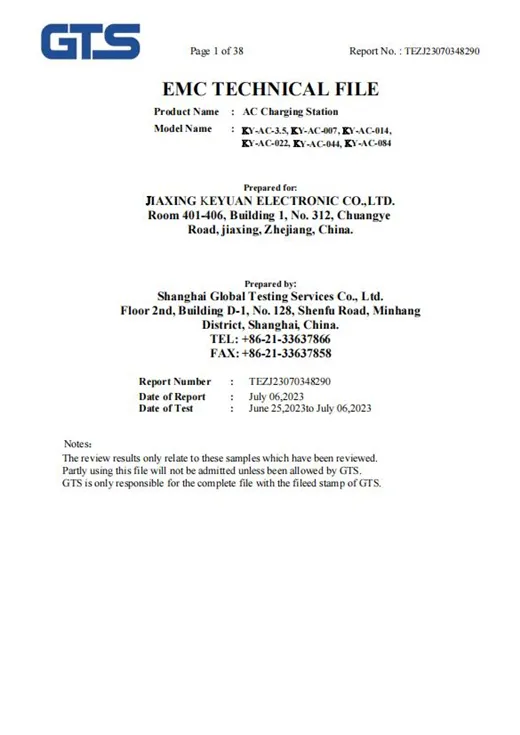
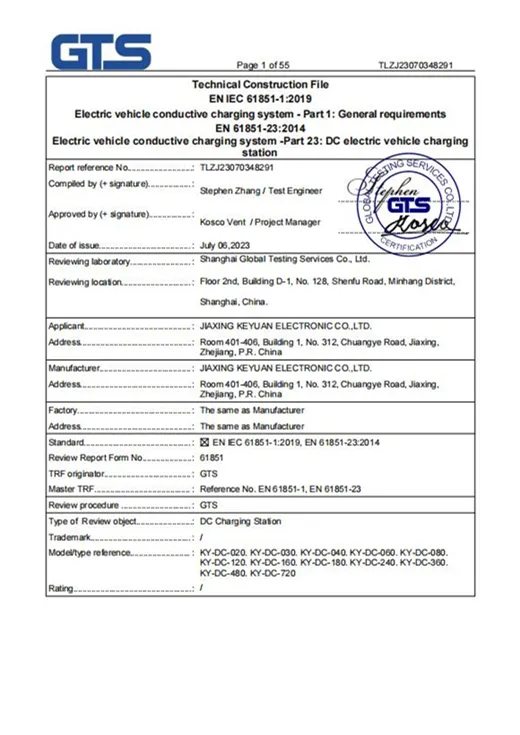
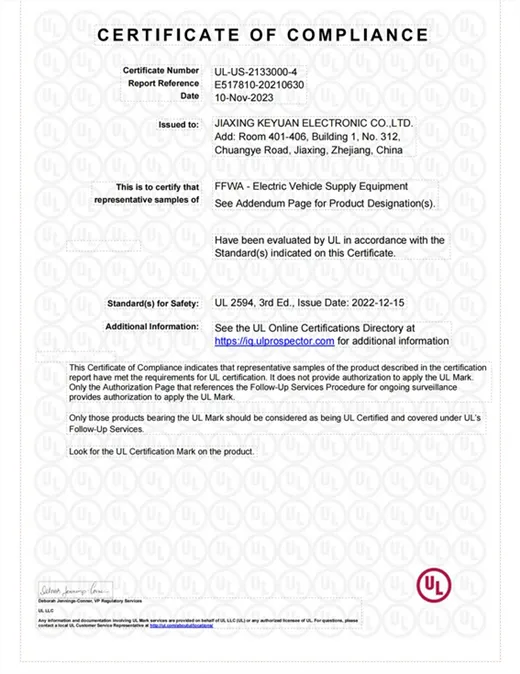
The products produced by our company have passed GTS and CE quality standards. During the warranty period, we will provide after-sales service free of charge.
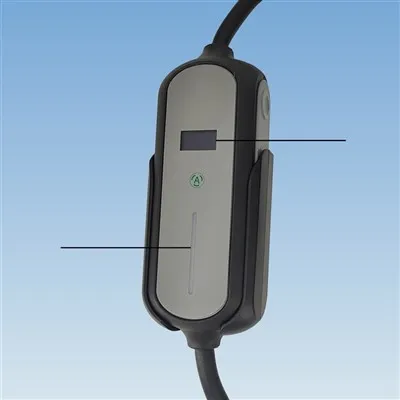
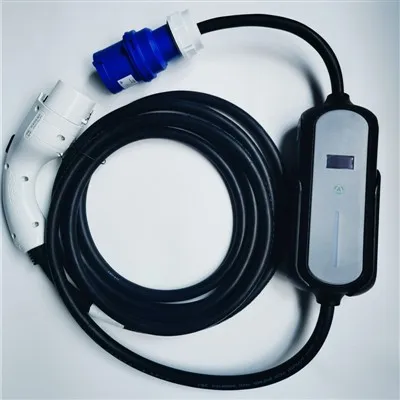
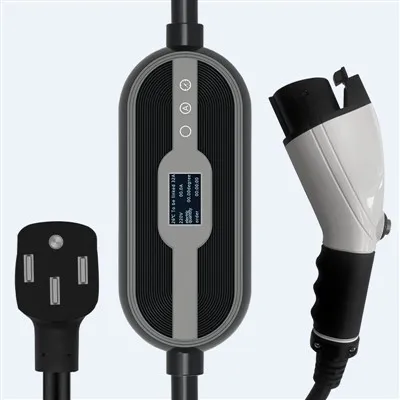
What is Portable EV Charger
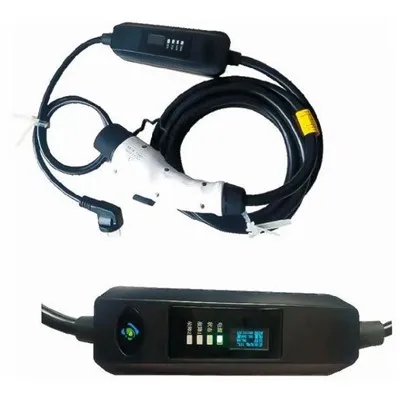
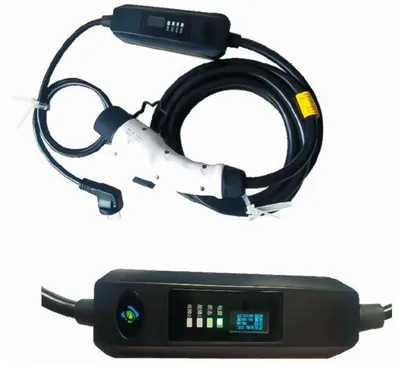
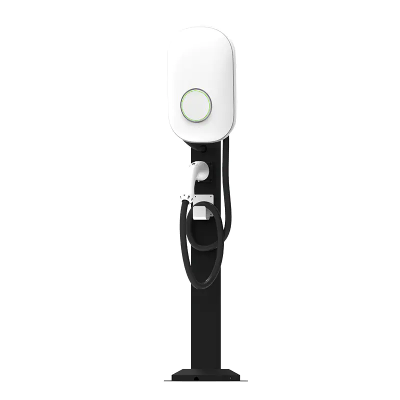
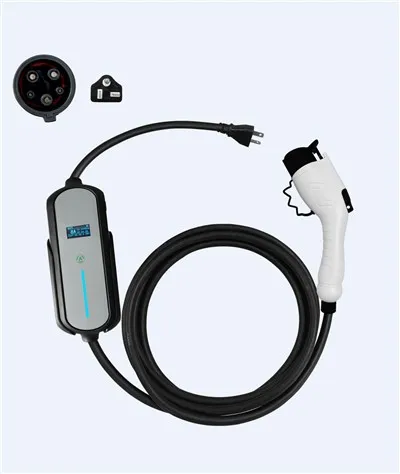
A Portable EV Charger, also known as a portable EVSE (Electric Vehicle Supply Equipment) or portable charging cable, is a device designed to facilitate charging electric vehicles at various locations with access to a standard power outlet. Portable EV chargers typically come with a connector that plugs into the electric vehicle's charging port on one end and a plug that connects to a standard electrical outlet on the other end. These chargers are commonly used for Level 1 charging, which involves connecting the electric vehicle to a standard 120-volt household outlet.
Features of Portable EV Charger
The size and weight of Portable EV Chargers vary, but the most user-friendly models are compact and lightweight. Smaller chargers are easier to store in your vehicle and carry around, making them perfect for travel or emergency use. The ideal charger should strike a balance between being light enough to transport effortlessly and robust enough to deliver sufficient charging power.
Environmental Adaptability
Portable chargers are usually designed with good weather resistance and can adapt to various climate conditions. For example, it can operate normally in the temperature range of -20°C to +50°C.
Durability
For a device that’s often on the move, durability is key. Look for portable EV chargers that are built to withstand regular use and various environmental conditions. Features like reinforced connectors, robust casing, and weather-resistant materials are indicators of a durable charger.
Cord Length
The length of the charging cord is crucial for convenience. A longer cord offers more flexibility in where you can park relative to the power source. However, it’s also important to consider cord management; some portable chargers come with integrated solutions for neatly storing the cord when not in use.
Types of Portable EV Charger
The most basic type of portable EV charger is the Level 1 charger. These chargers do not require any special installation and can be plugged into a standard 120-volt AC household outlet. Although they are the slowest in terms of charging speed, offering about 4 to 5 miles of range per hour of charging, their simplicity and universal compatibility make them a popular choice for overnight charging or as an emergency backup.
Level 2 portable EV chargers are a step up, requiring a 240-volt AC outlet, similar to what large appliances like dryers use. These chargers significantly reduce charging time, typically providing about 12 to 80 miles of range per hour of charging, depending on the charger and vehicle capabilities. They are favored by EV owners who need faster charging but still want the convenience of a portable unit.
For the eco-conscious driver, solar-powered portable EV chargers present an innovative option. These chargers use solar panels to convert sunlight into electrical energy, which can then be used to charge an electric vehicle. While they are not as fast as Level 1 or Level 2 chargers and depend on sunlight availability, they offer a green, renewable energy source for charging, especially useful in remote locations or during outdoor adventures.
Smart portable EV chargers are a modern addition, featuring connectivity options such as Wi-Fi or Bluetooth. These chargers allow users to monitor and control charging through a smartphone app.
Parts of Portable EV Charger

Charge Controller
This is the core part of the charger, responsible for managing the output of current and voltage to ensure that the charging process meets the requirements of the electric vehicle battery. The controller is also responsible for communicating with the vehicle and adjusting charging parameters.
Transformer
Transformers are used to convert incoming alternating current (AC) to direct current (DC) because most electric vehicle batteries require DC to charge. In some designs, the transformer may be part of the charge controller.
Power Components
Includes transistors, diodes and other semiconductor devices that are used in transformers and charge controllers to switch current and voltage for efficient energy conversion.
Connectors and Cables
The charger is connected to the charging port of the electric vehicle through a specific connector (such as Type 1, Type 2, CCS, CHAdeMO). The cable is responsible for transmitting power from the charger to the vehicle.
Shell
The case provides physical protection for the charger's internal components and helps dissipate heat. The housing material is usually plastic or metal and is designed with durability and protection levels in mind.
Filter
Filters are used to reduce electrical noise and improve power quality, which is critical to protecting batteries and extending their life.
Temperature Sensor
Used to monitor the temperature of chargers and electric vehicle batteries. If it detects that the temperature is too high, the system will take steps to prevent overheating, such as reducing charging speed or pausing charging.
Show Interface
Some portable chargers are equipped with a display that displays information such as charging status, current, voltage, and amount of charge.
Communication Module
Allows the charger to exchange data with the vehicle's charging management system or the user's smartphone application, providing remote monitoring and control functions.
Security Mechanism
Including overload protection, short circuit protection and leakage protection, etc., ensuring that charging can be immediately interrupted under various abnormal conditions to ensure the safety of users and vehicles.
Adapter or Plug
Used to connect the charger to different power sockets, such as household sockets or industrial power sockets, to adapt to different power environments.
Benefits of Using Portable EV Charger
Clear User Interface
A clear and informative user interface is crucial. Portable EV chargers should have an easy-to-read display or indicator that shows important information such as charge status, power level, and any error messages. This transparency allows for quick assessment and adjustments when needed.
Adjustable Charging Options
Portable EV chargers feature adjustable charging options, allowing users to choose different charging speeds based on current needs. This flexibility is especially useful for managing charging time and power consumption.
Quick Charging Function
Portable EV chargers have features that allow for faster charging, such as power boost mode. These modes temporarily increase the charger's output for faster charging, which is useful for shorter charging times.
Cable Durability
The durability of the charging cable is another aspect to consider. The cable should be thick, flexible and resistant to kinking or fraying. The charger's cable comes with an extra protective coating to prevent damage and extend its life.
Working Principle of Portable EV Charger
Electrical Connection
The portable EV charger is plugged into a standard electrical outlet or power source using the plug on one end of the charger cable.
Conversion To DC
Inside the portable EV charger, there is a charging module that converts the AC power from the outlet to DC power. This conversion is necessary because electric vehicles require direct current to charge their batteries.
Charging Cable and Connector
The portable EV charger has a charging cable with a connector on one end that plugs into the electric vehicle's charging port. The connector varies depending on the type of electric vehicle and charging port standard.
Communication
The portable EV charger communicates with the electric vehicle to ensure that the charging process is initiated and conducted safely. This communication includes verifying the connection and compatibility between the charger and the vehicle.
Charging Process
Once the portable EV charger is connected to the electric vehicle and the power source, the charging process begins. The charger delivers the converted DC power to the electric vehicle's battery, allowing it to charge.
Safety Features
Portable EV chargers are equipped with safety features such as overcurrent protection, overvoltage protection, and temperature monitoring to ensure safe and efficient charging without damaging the vehicle's battery or the charging equipment.
How to Choose Portable EV Charger
Compatibility
Make sure the charger is compatible with your electric vehicle's make, model, and charging port type. Check if it supports the appropriate charging standards and connector types for your EV.
Power Output
Consider the power output capacity of the charger. Higher power output chargers can charge your EV faster, but be mindful of your vehicle's charging capabilities to avoid overloading the battery.
Portability
Opt for a portable charger that is lightweight, compact, and easy to carry. Consider factors like cable length and storage options to ensure convenience and ease of use.
Safety Features
Look for chargers with built-in safety features such as overcurrent protection, overvoltage protection, and temperature monitoring to safeguard your vehicle and the charging equipment during the charging process.
Build Quality and Durability
Choose a charger made from high-quality materials for long-term durability and reliable performance. Look for features like weather resistance if you plan to use the charger outdoors.
Price and Warranty
Compare prices of different portable EV chargers while considering the features and specifications they offer. Check if the charger comes with a warranty for added reliability and peace of mind.
User Reviews and Recommendations
Research user reviews and recommendations to gauge the charger's performance, reliability, and user satisfaction. Feedback from other EV owners can help you make an informed decision.
How to Install Portable EV Charger
Locate a Power Source
Identify a suitable electrical outlet or power source near where you plan to park and charge your electric vehicle. Ensure the outlet meets the voltage and amperage requirements specified by the charger.
Check Circuit Capacity
Determine if the electrical circuit can handle the power load required by the EV charger. If necessary, consult with a qualified electrician to assess the circuit capacity and make any upgrades if needed.
Mounting
If your Portable EV Charger comes with mounting brackets or options for wall mounting, securely mount the charger near the power source. This can provide a convenient and organized setup for charging your EV.
Connect the Charger
Plug the charger into the electrical outlet. Then, connect the other end of the charging cable to your electric vehicle's charging port. Make sure the connection is secure and locked in place.
Charging
Once the charger is connected, you can start the charging process. Follow the instructions provided by the charger manufacturer regarding any activation steps or settings required for initiating the charging session.
Safety First
Ensure that the installation complies with all safety standards and regulations. Avoid using extension cords unless approved for use with EV charging equipment. Inspect the charger, cable, and connections for any signs of damage before each charging session.
Testing
After the installation, test the charger to ensure it is functioning correctly and charging your electric vehicle as expected. Monitor the charging process and check for any errors or issues that may arise.
How to Use Portable EV Charger
Preparation
Make sure the charger is fully charged. If it is used for the first time or has not been used for a long time, check the charger's power cord and connector for damage.
Know Charger Specifications
Read the charger's instructions to learn about its maximum output, compatible outlet types, and recommended power sources.
Find the Right Electrical Outlet
Find a suitable power outlet based on the charger's requirements. Portable chargers can usually use household 220V/110V sockets, but may also require special three-phase power sockets.
Connect the Charger To the Power Outlet
Plug the charger's power cord into an electrical outlet, making sure the connection is secure.
Connect Charger To Electric Vehicle
Use the charger's connector to connect the charger to the charging port of the electric vehicle. Make sure the connection is correct. Some models will have a sound or indicator light to indicate a successful connection.
Start Charging
If the charger has a start button or needs to be started via a mobile app, follow the instructions to start charging. Without these features, the charger will automatically start charging when connected.
Monitor Charging Status
Monitor information such as charging progress, current and voltage in real time through the display on the charger or through the mobile app.
Charging Ends
When charging is complete, depending on the design of the charger, it may automatically disconnect, or it may need to be manually detached. Before disconnecting the charger, unlock the charging port of your electric vehicle and carefully unplug the charger's connector.
Disconnect the Power
Finally, unplug the charger's power cord from the electrical outlet and store the charger in a dry, safe place for next use.
How to Maintain Portable EV Charger
Regular Inspection
Periodically inspect the charger, charging cable, and connectors for any signs of wear, damage, or corrosion. Address any issues promptly to prevent potential safety hazards.
Cleanliness
Keep the charger and cables clean and free of debris, dust, or dirt. Regularly wipe down the charger with a dry or damp cloth to maintain cleanliness and prevent dirt buildup.
Storage
When not in use, store the Portable EV Charger in a clean, dry place away from extreme temperatures, moisture, or direct sunlight. Proper storage can help prolong the lifespan of the charger.
Cable Management
Avoid bending or twisting the charging cable excessively, as this can lead to cable damage and affect charging performance. Use cable organizers or holders to keep the cable neat and prevent tangling.
Avoid Overheating
During charging, ensure that the charger and cable have adequate airflow to prevent overheating. Avoid charging in enclosed or confined spaces where heat dissipation may be limited.
Firmware Updates
If the Portable EV Charger has firmware that can be updated, periodically check for updates provided by the manufacturer. Updating the firmware can improve performance, reliability, and safety features.
Safety Checks
Regularly perform safety checks on the charger, including testing ground fault circuit interrupters (GFCI) if present, and verifying that all safety features are functioning correctly.
Manufacturer Guidelines
Follow the manufacturer's maintenance instructions and guidelines provided in the user manual. Adhering to these recommendations can help ensure the charger's longevity and optimal performance.
Applications of Portable EV Charger
Portable EV chargers can be used in emergencies when an electric vehicle's battery is running low, providing a temporary solution to charge the vehicle until a more permanent charging station is reached.
Portable EV chargers are handy for road trips and traveling, especially in areas where access to public charging stations may be limited or unavailable.
Portable EV chargers can serve as a backup or supplementary charging option in case your home charging station is occupied or unavailable.
Portable EV chargers can be used at workplaces where dedicated charging stations may not be available, allowing EV owners to recharge their vehicles during the workday.
Portable EV chargers are useful for events or locations where temporary charging access is needed, such as outdoor gatherings, festivals, or camping sites.
Portable chargers can be helpful for rental or shared electric vehicles, allowing users to charge the vehicle at their convenience if they don't have access to a fixed charging station.
Certificate



Frequently Asked Questions
Q: What is a portable EV charger?
Q: How does a portable EV charger work?
Q: Can I use a portable EV charger anywhere?
Q: Is a portable EV charger the same as a regular charging station?
Q: How long does it take to charge an EV with a portable charger?
Q: How much power can a typical portable EV charger provide?
Q: What is the difference between a Level 1, Level 2, and Level 3 charger?
Q: Do portable EV chargers come with cables?
Q: Can a portable EV charger be used outdoors?
Q: How do I know if a portable EV charger is compatible with my EV?
Q: Are portable EV chargers safe to use?
Q: What should I consider when choosing a portable EV charger?
Q: Can I use a portable EV charger while driving?
Q: How do I maintain my portable EV charger?
Q: Can I leave my portable EV charger connected to my EV all the time?
Q: What is the lifespan of a portable EV charger?
Q: Does a portable EV charger need its own power source?
Q: Are there any limitations to using a portable EV charger?
Q: Can a portable EV charger be used for other purposes besides charging cars?
Q: Where can I buy a portable EV charger?
We're well-known as one of the leading portable ev charger manufacturers and suppliers in China. If you're going to wholesale high quality portable ev charger, welcome to get more information from our factory. Also, custom service is available.
Type 2 Portable EV Charger, Portable Car Charger For EV, Portable 240V EV Charger