


DC Fast Charger
Zhejiang Sinray Electronics : Your Trustworthy DC Fast Charger Supplier!
Zhejiang Sinray Electronics Co., Ltd. is one of the leading companies in China specializing in the research, development and sales of new energy electric vehicle charging stations and AC and DC charging piles. We have a strict quality assurance system, a complete management system, and high-quality product after-sales service which are our foundation.
Rich Products
We can produce AC electric vehicle chargers, DC electric vehicle chargers, portable electric vehicle chargers, DC fast chargers, 30KW DC electric vehicle chargers, AC vehicle chargers and 22KW AC chargers, etc.
Products Widely Used
We manufacture products for residential charging, commercial use, parking lots, public spaces, dealers and service centers, corporate campuses, municipal infrastructure, car-sharing services and more.
Customizable
Our products can be OEM customized and we hold more than 60 utility model patents; we also provide comprehensive solutions including process flow support, automation technology, services and training.
Quality Assurance
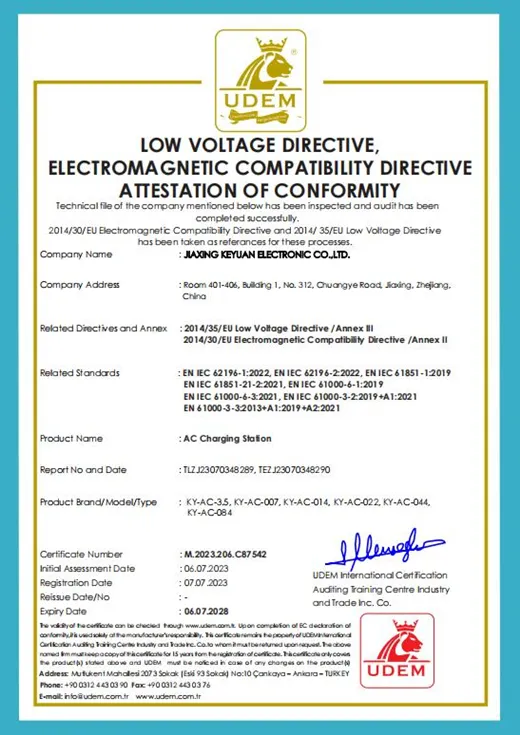
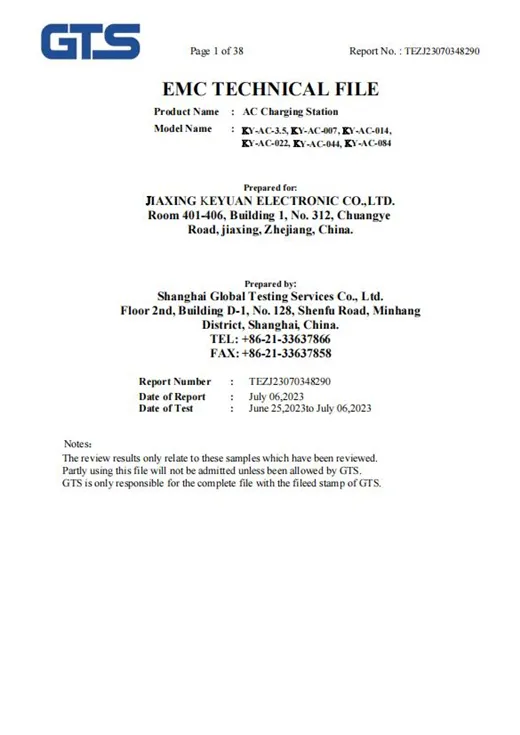
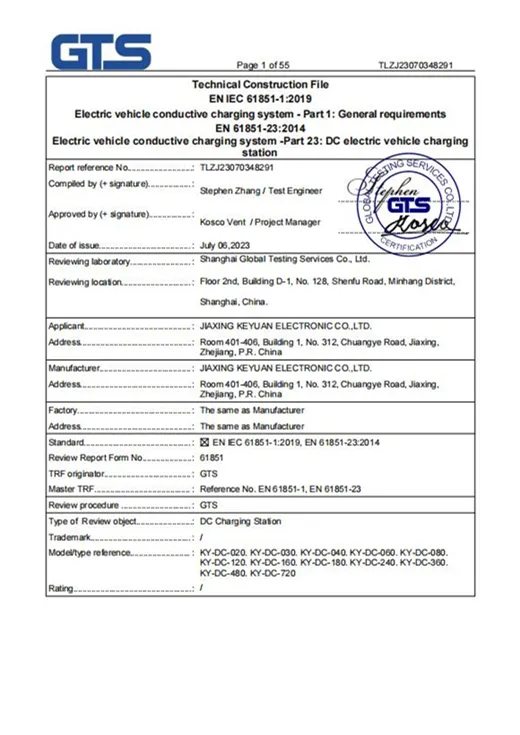
The products produced by our company have passed GTS and CE quality standards. During the warranty period, we will provide after-sales service free of charge.


What is DC Fast Charger
A DC Fast Charger (DCFC), also known as a Level 3 charger or Rapid Charger, is a type of electric vehicle charging station that provides an electrical current directly to an EV's battery without needing to convert from AC to DC inside the vehicle, as is the case with Level 2 chargers. DCFCs are equipped with powerful hardware that can deliver high-voltage direct current to the EV, resulting in significantly faster charging times compared to Level 1 or Level 2 chargers.
Features of DC Fast Charger
High Power Output
DC fast chargers can provide power from 50 kW to over 350 kW, enabling rapid charging of electric vehicle batteries. The exact power output varies depending on the charger model and the capabilities of the EV being charged.
DC Power Transmission
Unlike Level 2 chargers, which convert AC to DC within the vehicle, DC fast chargers convert AC from the grid to DC before reaching the EV, allowing for faster charging.
Compatibility With Different Electric Vehicles
DC fast chargers come with a variety of connectors to accommodate various electric vehicle makes and models. Common connectors include CHAdeMO, CCS, and Tesla Supercharger connectors.
Temperature Management
These chargers often have temperature management features to ensure the battery is charging within the optimal temperature range, which affects charging speed and battery health.
Parts of DC Fast Charger
Power Conversion System
This system converts the alternating current (AC) from the power source into direct current (DC) that can be used to charge the electric vehicle's battery.
Connectors and Cables
DC fast chargers feature connectors and cables that link the charger to the electric vehicle's charging port. The connectors vary depending on the charging standard (e.g., CHAdeMO, CCS, Tesla Supercharger).
Control Unit
The control unit manages the charging process, monitors the state of charge, and communicates with the electric vehicle to regulate the charging speed and ensure safety.
Cooling System
To dissipate heat generated during the charging process, DC fast chargers are equipped with cooling systems, such as fans or liquid cooling.
Safety Features
DC fast chargers incorporate safety features like overcurrent protection, overvoltage protection, ground fault protection, and temperature monitoring to ensure a safe charging experience.
Display and User Interface
Many DC fast chargers include a display panel and user interface that provide information on charging status, power levels, and instructions for using the charger.
Enclosure
The charger is housed in a protective enclosure that shields the internal components from environmental factors and provides durability.
Benefits of Using DC Fast Charger
Solid Build Quality
DC Fast Charger Due to the high power levels involved, DC fast chargers are made of durable materials to withstand harsh conditions and frequent use.
Security Function
DC fast chargers come with a variety of safety features to prevent electrical failures, overcharging and other potential hazards during charging.
Real Time Monitoring
DC fast chargers often provide real-time data on charge status, energy consumption and operational diagnostics that can be monitored and analyzed by operators or service providers.
GPS Location Tracking
Many fast chargers include GPS tracking, providing location-based services, route planning for longer trips, and the ability to locate the charger on a map.
Working Principle of DC Fast Charger
Power Conversion
When an EV is plugged into a DC Fast Charger, the charger first draws high-voltage AC power from the electrical grid.
Voltage Conversion
Inside the charger, a power conversion unit, typically a rectifier followed by a DC-DC converter, converts the high-voltage AC to high-voltage DC. This conversion is necessary because the grid supplies high-voltage AC, which is not suitable for direct battery charging.
Communication
The charger communicates with the EV to determine its make, model, and battery specifications. This communication is essential for managing the charging process safely and effectively.
Charging Protocol
Based on the information received from the EV, the charger negotiates a safe and efficient charging protocol. This protocol defines the maximum current and voltage levels that the EV's battery can accept without damage.
Current Reduction and Voltage Adjustment
If necessary, the charger reduces the voltage to a level compatible with the EV's onboard charging system. It may also reduce the current to match the vehicle's charge rate capacity.
Battery Charging
The adjusted DC power is then transmitted to the EV's battery pack. The EV's onboard charger (if any) or the battery management system regulates the charging process to ensure the battery is charged safely and efficiently.
Temperature Management
Throughout the charging process, the DC Fast Charger monitors and manages the temperature of the charger itself and the EV's battery to prevent overheating, which could damage the battery or reduce its lifespan.
Safety Features
The charger implements multiple safety features to protect against electrical faults, overcharging, and other potential hazards. It continuously monitors the charging process and can disconnect the power if any abnormal conditions are detected.
Monitoring and Control
The charger provides real-time data on the charging status, such as the amount of energy transferred, the charging rate, and the time remaining until the battery is fully charged. This information can be accessed by the driver through the EV's interface or a smartphone app.
Payment Processing
Finally, the DC Fast Charger facilitates payment processing through various methods, such as contactless cards, mobile payment apps, or RFID readers, ensuring that the charging session can be paid for securely.
How to Choose DC Fast Charger
Compatibility
Make sure the charger is compatible with your electric vehicle make and model. Check what connector type your charger supports, such as CHAdeMO, CCS, or Tesla Supercharger.
Power Output
The power output of the charger determines the charging speed. Higher power output (measured in kilowatts, kW) allows for faster charging times. However, the maximum charging rate is also limited by the specifications of the EV battery and onboard charger.
Location and Accessibility
Consider where you will use your charger, such as at a public charging station, in a private parking lot or along the highway. Make sure it's easily accessible and located where it will be most useful.
User Interface
Look for a charger with a user-friendly interface, including a touch screen, clear instructions, and support for mobile payment apps.
Reliability and Durability
Choose a charger with a reputation for reliability and durability. Consider makes and models with positive reviews and a history of reliable performance.
Price and Cost of Ownership
Compare the initial cost of the charger with its expected lifespan and maintenance costs. Some chargers may have lower upfront costs but higher long-term expenses due to maintenance or electricity bills.
Security Function
Make sure the charger has strong safety features, including overcurrent protection, ground fault protection, and temperature monitoring, to protect the user and the EV battery.
Scalable and Future-Proof
If you plan to expand your charging infrastructure, look for chargers that can be upgraded or connected to the network to support more vehicles.
Support and Warranty
Check the manufacturer's warranty and available customer support. If you have a problem, good after-sales service will be very valuable.
How to Install DC Fast Charger


Site Assessment
Conduct a preliminary assessment of the proposed installation site. Consider factors such as the distance from the electrical meter, the available capacity on the breaker panel, local building and electrical codes, and any necessary permits.
Utility Approval
In some cases, you may need permission from the local utility company to install a charger that draws a significant amount of power. They might require upgrades to the power grid infrastructure near your property.
Design and Planning
Work with an engineer or a professional installer to design the charging station, including the selection of the appropriate cable routes, conduits, and any necessary electrical upgrades.
Electrical Upgrades
If your electrical service does not meet the requirements for the fast charger, you may need to upgrade your breaker panel or install a sub-panel. This might involve upgrading the main service entrance, installing new circuit breakers, and running new conduit and wiring.
Permitting
Obtain all necessary permits from the local government or building authority before beginning any electrical work. Ensure that the permit application includes detailed plans and specifications of the installation.
Installation of Conduit and Wiring
Install conduits to protect the high-power cables running from the breaker panel to the charger's location. Run the proper gauge and type of wiring to handle the amperage load required by the charger.
Mounting the Charger
Securely mount the DC Fast Charger at the desired location. Ensure the mounting surface is stable and can support the weight of the charger.
Connecting Electrical Wires
Connect the high-voltage wires from the conduit to the input terminals on the DC Fast Charger according to the manufacturer's instructions and in compliance with local electrical codes.
Grounding and Bonding
Properly ground the charger to protect users from electrical shocks and to comply with safety regulations.
Testing
Once the charger is connected and mounted, test it to ensure it is functioning correctly and safely. This often involves checking for proper voltage, amperage, and grounding.
Inspection
Schedule an inspection with the local building authority or electrical inspector to ensure the installation meets all code requirements and is safe to use.
Documentation and Training
Document the installation and provide operation and safety training to the end-users if necessary.
How to Use DC Fast Charger
Approach the Charger
Walk up to the DC Fast Charger, which is usually located in public charging stations, rest stops, or designated areas.
Ensure Safety
Before interacting with the charger, ensure the area is safe and clear of any obstacles or hazards.
Unlock the Connector
On some chargers, you may need to unlock the connector using a card, RFID tag, smartphone app, or other credentials associated with your account.
Connect the Charger
Insert the appropriate connector (CHAdeMO, CCS, etc.) into your electric vehicle's charging port. Make sure the connection is secure.
Authorize Charging
You may be prompted to authorize the charging session using a card reader, smartphone app, or by entering a code displayed on the charger's screen.
Start Charging
Confirm the start of charging either through the charger's interface or through your connected device. Some chargers automatically begin charging once the connection is made and authorized.
Monitor Charging
While the car is charging, you can monitor the progress through the charger's screen or your vehicle's dashboard. Some chargers and EVs offer the ability to adjust the charge limit or pause charging remotely via a smartphone app.
End Charging
Once the desired state of charge is reached or you are ready to leave, end the charging session through the charger's interface or your connected device.
Disconnect the Connector
Carefully remove the connector from your vehicle's charging port and return it to the charger's docking station if required.
Secure the Charger
If the charger has a locking mechanism, ensure the connector is locked to prevent unauthorized use.
How to Maintain DC Fast Charger
Regular Inspections
Perform visual inspections of the charger's exterior for signs of damage, dirt buildup, or wear and tear. Check for any loose connections, damaged cables, or corrosion that could affect performance or safety.
Software Updates
Keep the charger's software up to date. Manufacturers often release updates that improve functionality, security, and compatibility with new electric vehicles.
Hardware Maintenance
Replace any worn or defective components promptly, such as cables, connectors, or internal electronics, to avoid potential malfunctions or safety hazards. Ensure that the cooling system (if applicable) is functioning properly to prevent overheating, which can damage the charger and pose safety risks.
Cleaning
Regularly clean the charger's exterior with appropriate cleaning agents to remove dirt, dust, and debris that can interfere with its operation. Pay special attention to the charging port area to maintain connectivity and prevent contamination.
Environmental Checks
Monitor the charger's surroundings for environmental factors that could impact its performance, such as water accumulation, extreme temperatures, or pest infestations.
Operational Testing
Periodically test the charger to ensure it is working correctly. This includes starting and stopping a charging session to check for any abnormal behavior or error messages.
Compliance With Codes and Standards
Regularly review and adhere to local electrical codes and national standards, such as those set by the National Electric Code (NEC) in the United States.
Documentation and Reporting
Keep maintenance logs and records up to date. Note any issues encountered, repairs made, and parts replaced. Report any significant problems or failures immediately to the manufacturer or appropriate authorities, especially if they involve safety concerns.
Professional Service
For major repairs or regular maintenance, enlist the services of qualified technicians who specialize in EV charging equipment. They have the expertise and tools necessary to perform these tasks safely and effectively.
Applications of DC Fast Charger
Highway Charging Networks
Installed along major highways, DC Fast Chargers allow EV owners to recharge their vehicles quickly, enabling longer trips without the need for multiple stops.
Urban Charging Hubs
In cities, these chargers can be part of larger charging hubs, providing convenient charging options for commuters and residents who do not have private charging facilities at home.
Public Transit Fleets
Many public transit agencies operate electric buses and other vehicles. DC Fast Chargers are essential for maintaining the operational schedules of these fleets by ensuring that vehicles are charged and ready for service.
Private Businesses
Companies with EVs in their fleet, such as delivery services or corporate carpool programs, can install DC Fast Chargers to support their operations.
Emergency Services
Emergency response organizations, such as police and fire departments, may utilize DC Fast Chargers to keep their electric vehicles charged and ready for immediate use.
Hotels and Hospitality
Hotels and resorts can provide DC Fast Chargers as an amenity to guests, enhancing their stay experience and attracting eco-conscious travelers.
Airports and Parking Facilities
Installing DC Fast Chargers at airports and large parking lots allows travelers to charge their EVs before or after flights or while they are parked.
Event Venues
At stadiums, concert halls, and other event venues, fast chargers can be installed to accommodate visitors arriving in electric vehicles.
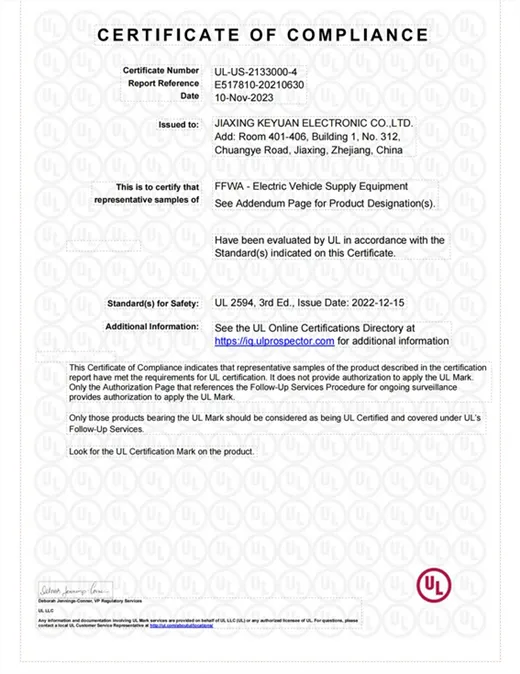
Certificate


Frequently Asked Questions
Q: What does DC stand for in DC Fast Charger?
Q: How fast can a DC Fast Charger charge an electric vehicle?
Q: Can all electric vehicles use DC Fast Chargers?
Q: What are the common connector types used by DC Fast Chargers?
Q: How do I know if my electric vehicle is compatible with a DC Fast Charger?
Q: Are there different power levels for DC Fast Chargers?
Q: Do I need an account to use a DC Fast Charger?
Q: Is it safe to use a DC Fast Charger?
Q: Can I use a DC Fast Charger in the rain?
Q: How much does it cost to use a DC Fast Charger?
Q: What should I do if a DC Fast Charger doesn't seem to be working?
Q: Can I leave my electric vehicle unattended while it's charging with a DC Fast Charger?
Q: What is the difference between AC and DC charging for electric vehicles?
Q: Can DC Fast Chargers be installed at home?
Q: How do I initiate a charging session with a DC Fast Charger?
Q: What should I do if I encounter an error message while charging with a DC Fast Charger?
Q: Are there any limitations to how low I can let my electric vehicle's battery get before charging with a DC Fast Charger?
Q: Can I charge two electric vehicles simultaneously with one DC Fast Charger?
Q: Are there any environmental considerations when using DC Fast Chargers?
Q: How do I find a DC Fast Charger ?
We're well-known as one of the leading dc fast charger manufacturers and suppliers in China. If you're going to wholesale high quality dc fast charger, welcome to get more information from our factory. Also, custom service is available.
Public Fast Charging Stations, Public DC Quick Charging Stations, 120KW Charger