


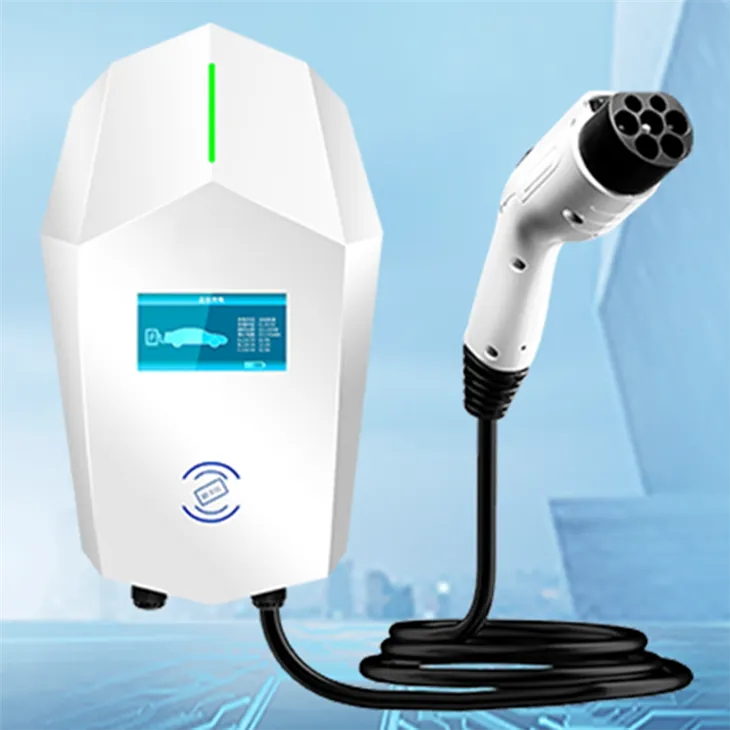
Zhejiang Sinray Electronics : Your Trustworthy Ev Fast Dc Charger Supplier
Zhejiang Sinray Electronics Co., Ltd. is one of the leading companies in China specializing in the research, development and sales of new energy electric vehicle charging stations and AC and DC charging piles. We have a strict quality assurance system, a complete management system, and high-quality product after-sales service which are our foundation.
Rich Products
We can produce AC electric vehicle chargers, DC electric vehicle chargers, portable electric vehicle chargers, DC fast chargers, 30KW DC electric vehicle chargers, AC vehicle chargers and 22KW AC chargers, etc.
Products Widely Used
We manufacture products for residential charging, commercial use, parking lots, public spaces, dealers and service centers, corporate campuses, municipal infrastructure, car-sharing services and more.
Customizable
Our products can be OEM customized and we hold more than 60 utility model patents; we also provide comprehensive solutions including process flow support, automation technology, services and training.
Quality Assurance
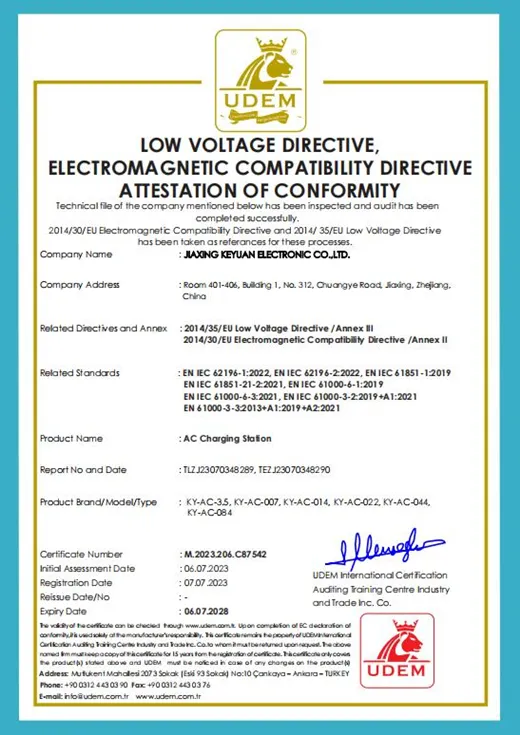
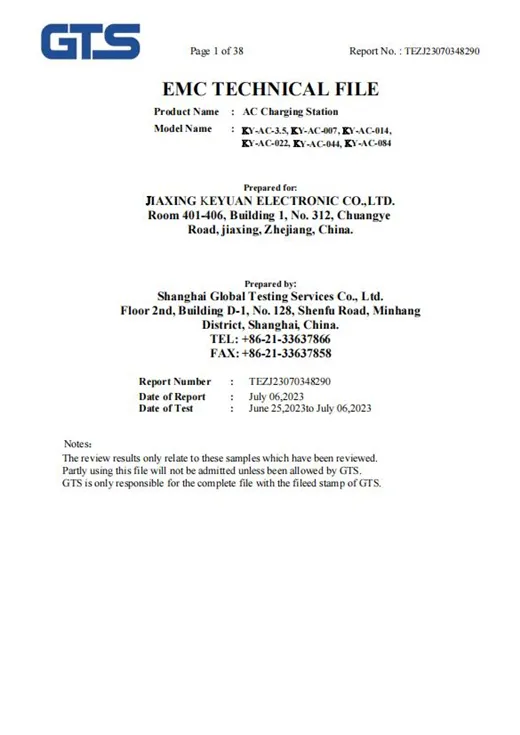
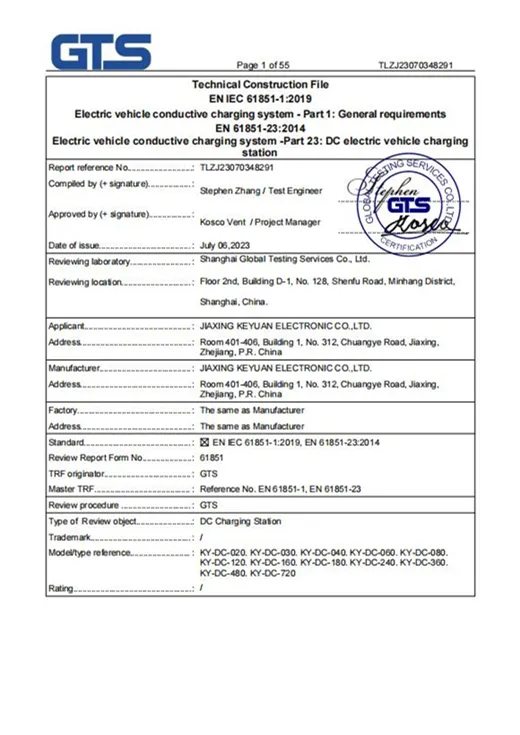
The products produced by our company have passed GTS and CE quality standards. During the warranty period, we will provide after-sales service free of charge.
Related Product Introduction

An EV car fast charger, also known as a rapid charger, is a type of electric vehicle charging station that provides a high-power output to quickly recharge an EV's battery. These chargers utilize either the CHAdeMO, CCS (Combined Charging System), Tesla Supercharger, or GB/T (China) connector standards, depending on the region and the EV model.

A 240 kW EV charger is a high-power direct current (DC) fast charging station designed to charge electric vehicles at very rapid rates. With this amount of power, the charger can deliver energy to an EV's battery much faster than a conventional home charging unit or even a lower-power public fast charger.

An EV Fast DC Charger, also known as a DC Rapid Charger, is a type of electric vehicle charging station that provides high-speed charging by converting Alternating Current (AC) from the grid to Direct Current (DC), These chargers are capable of delivering power at much higher rates compared to standard home chargers or Level 2 chargers found in public locations, enabling a much quicker charge in the time available.
240KW Model 4 Charging Station
The 240KW Model 4 Charging Station is a high-powered electric vehicle charging station designed for rapid charging. With a substantial power output of 240 kilowatts, this charging station significantly reduces the charging time for electric vehicles, making it suitable for commercial applications and locations where quick turnarounds are essential.

Level 3 Fast Chargers, also known as DC Fast Chargers or Level 3 Chargers, are a class of electric vehicle (EV) charging stations that offer high-speed charging. Unlike Level 1 and Level 2 chargers, which use alternating current (AC) and are primarily used for residential and commercial charging, Level 3 chargers convert AC electricity from the grid into DC electricity, which can be directly used to charge the EV battery much more rapidly.

Electric Car Fast Charging Station
An Electric Car Fast Charging Station, also known as a DC Fast Charger or Rapid Charger, is a facility designed to quickly recharge the batteries of electric vehicles (EVs). These charging stations use high-power direct current (DC) to significantly reduce the time it takes to charge an EV compared to slower AC chargers like Level 1 and Level 2 stations typically used at home or in public places.

Charge Point is a leading global provider of electric vehicle (EV) charging equipment and services, offering a wide range of charging solutions including DC Fast Chargers. Charge Point's DC Fast Chargers are designed to quickly charge compatible EVs by supplying high levels of power directly to the vehicle's battery.

An EV fast charger at home refers to an electric vehicle charging station installed in a residential setting that provides faster charging speeds than traditional household outlets. While not as powerful as public DC fast chargers, home fast chargers are usually Level 2 chargers that operate at 240 volts, similar to what is used for common appliances like electric ovens and clothes dryers.

DC (Direct Current) car charging refers to the process of delivering electrical energy directly to an electric vehicle's (EV's) battery pack using a direct current source. Unlike AC (Alternating Current) charging, where the electrical current changes direction periodically, DC charging allows for a more efficient transfer of energy to the EV battery.
What is Ev Fast Dc Charger
An EV Fast DC Charger, also known as a Direct Current Fast Charger, is a type of electric vehicle charging station designed to quickly recharge the high-voltage batteries of electric vehicles (EVs). These chargers are significantly more powerful than standard Alternating Current (AC) Level 1 or Level 2 chargers commonly used at home or in public places.
Features of Ev Fast Dc Charger
High Power Output
Ev Fast DC Charger is capable of delivering high power, typically ranging from 50 kW to over 350 kW, enabling fast charging.
Direct Current (DC) Output
Unlike AC chargers, DC fast chargers convert AC grid power on-site to DC, which is the DC power required by electric vehicle batteries. This conversion is done within the charger itself, or via a separate unit called a power converter.
Compatibility With Various Electric Vehicles
Fast DC chargers are designed for use with a variety of electric vehicles, although compatibility may sometimes depend on the vehicle's on-board charger and the charger's connector type (such as CCS, CHAdeMO, or Tesla Supercharger).
Connectivity and Smart Charging
Ev Fast DC Chargers often come with connectivity features that allow remote monitoring, control and optimization of charging sessions. They can be integrated into larger charger networks and managed through back-end systems.
Parts of Ev Fast Dc Charger
Rectifier
Efficiently converts AC power from the grid into DC power from the charging system.
Isolation Transformer
Provides electrical isolation between AC input power and DC output side for safety.
Filter Capacitor/Inductor
Helps smooth the DC output and filter out power supply noise.
Voltage/Current Sensor
Monitor and regulate the charging process to ensure safe and efficient power transfer.
Power Distribution Unit (PDU)
Power distribution units distribute power to different charging stations or sockets within the charging network.
Communication Module
Enable communication with other charging stations, management systems or cloud services for monitoring.
Remote Monitoring System
Monitor charging status, battery level, and any issues in real time for remote troubleshooting.
Lighting System
Light up the charging station area to make it easier to see during nighttime charging.
Modular Design
The modular design makes it easy to maintain, upgrade or repair individual components without affecting the entire charger system.
Metering System
Measures the energy transferred during charging for billing and monitoring purposes.
Emergency Stop Button
The emergency stop button allows users to quickly stop charging in the event of an emergency.
Ground Fault Protection
Detects and isolates any ground fault connections to prevent electric shock and ensure user safety.
Types of Ev Fast Dc Charger

Single Phase AC charger
This type of charger typically has an output power between 3.6kW and 7kW, with a current range from 8A to 16A. The working voltage is usually single phase, 230VAC±15%. The output plug is generally IEC 62196-2 (Type 2). This type of charger has an operating temperature range of -30 to 55°C and has an IP65 level of protection. In addition, this type of charger is CE/RoHS certified, UV resistant, and its shell material is thermoplastic1.

Three-Phase AC charger
This type of charger has a higher output power and can reach 22kW or even higher. For example, a 22kW portable electric vehicle charger comes with a 5-meter cable6.

CCS Charger
CCS chargers are DC fast charging systems that can fully charge electric vehicles in a shorter period of time. CCS is a charging system developed by the European Automobile Manufacturers Association, while CHAdeMO is the Japanese electric vehicle fast charging standard.
How to Choose Ev Fast Dc Charger
Charging Speed
Look for a charger with high charging power (measured in kilowatts) to significantly reduce charging time.
Compatibility
Make sure the charger is compatible with your EV model and supports the appropriate charging standard (such as CHAdeMO, CCS, or Tesla Supercharger).
Network Reachability
Consider the availability of charging networks in your area to ensure easy access to fast charging stations.
Reliability and Durability
Choose a charger from a reputable manufacturer known for high-quality and durable products.
Security Function
Choose a charger with built-in safety mechanisms such as overcurrent protection, overvoltage protection, and safety connectors.
Easy to Use
Look for a charger with a user-friendly interface, clear instructions, and easy-to-use features for a smooth charging experience.
Internet Function
Consider chargers that offer smart features like remote monitoring, scheduling, and payment options for added convenience.
Installation Requirements
Check to see if your location has the necessary electrical infrastructure to support the fast charger's power requirements.
Cost
Consider the charger's initial cost and any additional installation or maintenance fees to find one that fits your budget.
How to Use Ev Fast Dc Charger
Prepare
Park your electric car near a fast DC charger. Make sure your electric car is compatible with the plug type of your charger. Make sure your electric car's battery is low enough to benefit from fast charging.
Charging Process
Insert the charger plug firmly into the charging port of your electric vehicle. Follow the on-screen or audio instructions on the charger to start the charging process. If needed, authorize the charging session using an RFID card, mobile app, or payment method.
Monitor
Keep an eye on charging status, including charge level, remaining time, and battery level indicator. Be prepared to disconnect the charger once you reach your preferred charge level or any charging limits set based on your electric vehicle.
Safety
Avoid touching the charger plug or electric vehicle charging port during charging. Follow all safety instructions provided with the charger and pay attention to any warning lights or sounds.
Finish
Once charging is complete, safely unplug the charger from the EV's charging port. Secure the charger plug back into its bracket or designated space. Take any necessary billing or payment actions as required by the charging network or provider.
After Charging
Clear the charging area promptly so other EV owners can use the fast DC charger. Check your electric car's battery charge and range to make sure it's sufficient for your next journey.
How to Maintain Ev Fast Dc Charger
Regular Inspection and Cleaning
Perform regular visual inspections of the charger to check for any physical damage or wear and tear. Clean the charger regularly using a soft cloth and mild cleaning solution to remove dust and dirt buildup. This helps maintain the charger's cooling system efficiency and prevents potential overheating issues.
Temperature Monitoring
The charger should be placed in a well-ventilated area to prevent overheating. Regularly monitor the temperature of the charger to ensure it remains within the manufacturer's recommended range. Overheating can significantly reduce the lifespan of electronic components.
Cable Management
Proper cable management is crucial to avoid tangling and potential damage. Always coil cables neatly and store them in designated areas to prevent unnecessary stress and strain.
Software Updates
Keep the charger's software up to date with the latest firmware updates provided by the manufacturer. These updates often include bug fixes, security patches, and performance improvements.
Emergency Shutdown Procedures
Know how to perform emergency shutdown procedures in case of power outages, surges, or other electrical emergencies. This can help protect both the charger and connected devices from potential damage.
Training and Education
Make sure all users and operators of the charger are properly trained and understand its operation, safety precautions, and maintenance requirements.
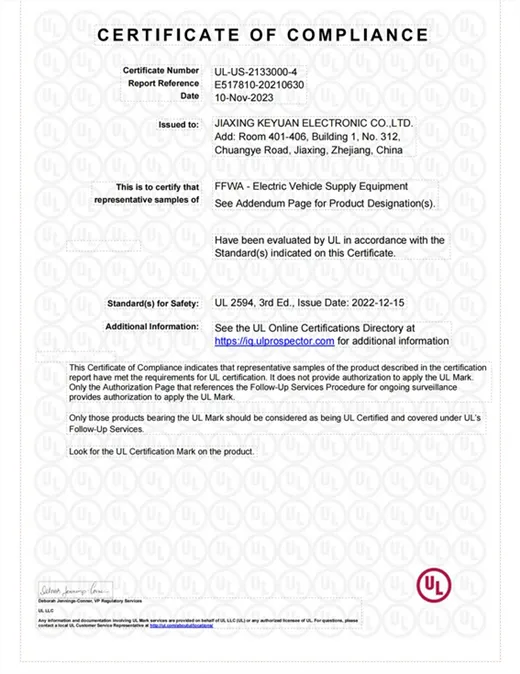
Certificate


Frequently Asked Questions
Q: What is an EV fast DC charger?
Q: How fast can an EV fast DC charger charge an electric vehicle?
Q: What is the typical power output of an EV fast DC charger?
Q: Are all electric vehicles compatible with EV fast DC chargers?
Q: Can I use an EV fast DC charger at home?
Q: How do I use an EV fast DC charger?
Q: How much does it cost to use an EV fast DC charger?
Q: What are the benefits of using an EV fast DC charger?
Q: Are there any drawbacks to using an EV fast DC charger?
Q: What is the difference between AC and DC charging?
Q: Can I use an EV fast DC charger in cold weather?
Q: Can I use an EV fast DC charger in hot weather?
Q: How do I know if my electric vehicle is compatible with an EV fast DC charger?
Q: What should I do if my electric vehicle won't charge at an EV fast DC charger?
Q: Are there any special safety precautions I should take when using an EV fast DC charger?
Q: Can I charge two electric vehicles simultaneously at an EV fast DC charger?
Q: How do I find an EV fast DC charger ?
Q: Are there any government incentives for installing EV fast DC chargers?
Q: Who maintains and services EV fast DC chargers?
Q: What is the future of EV fast DC charging technology?
Hot Tags: 240kw model 4 charging station, China 240kw model 4 charging station manufacturers, suppliers, factory, Fast Charge Stations For Electric Cars, Public DC Charging Stations, DC Car Charger For Home, Electrical Outlet Car Charger, AC Charging Station, 40KW DC Fast Charger For Home