


Zhejiang Sinray Electronics : Your Trustworthy DC Charging System Supplier
Zhejiang Sinray Electronics Co., Ltd. is one of the leading companies in China specializing in the research, development and sales of new energy electric vehicle charging stations and AC and DC charging piles. We have a strict quality assurance system, a complete management system, and high-quality product after-sales service which are our foundation.
Rich Products
We can produce AC electric vehicle chargers, DC electric vehicle chargers, portable electric vehicle chargers, DC fast chargers, 30KW DC electric vehicle chargers, AC vehicle chargers and 22KW AC chargers, etc.
Products Widely Used
We manufacture products for residential charging, commercial use, parking lots, public spaces, dealers and service centers, corporate campuses, municipal infrastructure, car-sharing services and more.
Customizable
Our products can be OEM customized and we hold more than 60 utility model patents; we also provide comprehensive solutions including process flow support, automation technology, services and training.
Quality Assurance
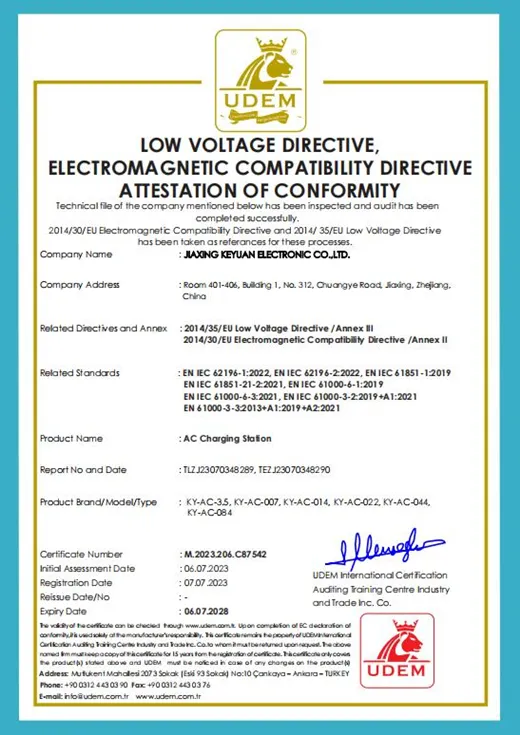
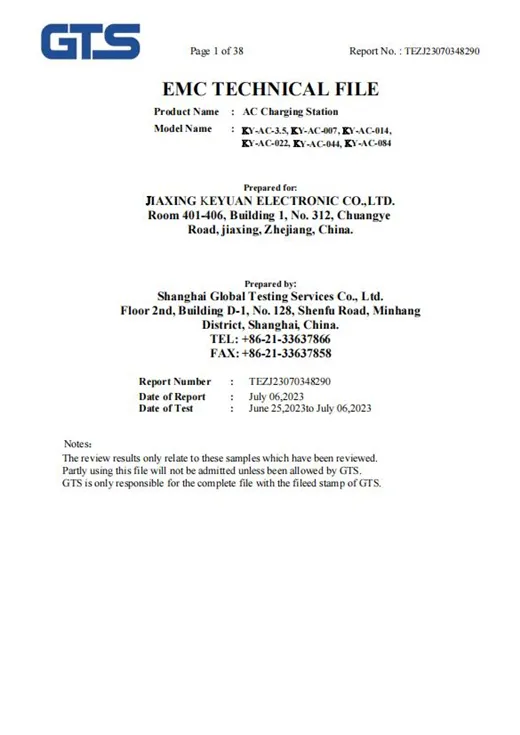
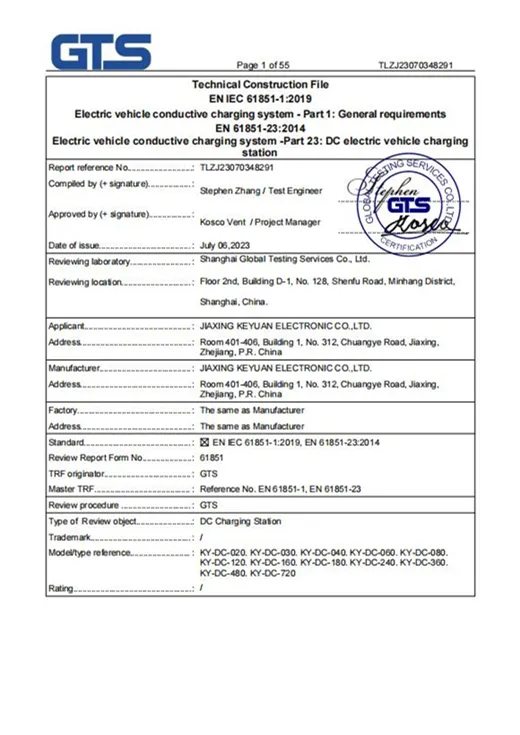
The products produced by our company have passed GTS and CE quality standards. During the warranty period, we will provide after-sales service free of charge.
Related Product Introduction

An EV car fast charger, also known as a rapid charger, is a type of electric vehicle charging station that provides a high-power output to quickly recharge an EV's battery. These chargers utilize either the CHAdeMO, CCS (Combined Charging System), Tesla Supercharger, or GB/T (China) connector standards, depending on the region and the EV model.

A 240 kW EV charger is a high-power direct current (DC) fast charging station designed to charge electric vehicles at very rapid rates. With this amount of power, the charger can deliver energy to an EV's battery much faster than a conventional home charging unit or even a lower-power public fast charger.

An EV Fast DC Charger, also known as a Direct Current Fast Charger (DCFC) or Level 3 charger, is a type of electric vehicle charging station that provides high-speed charging using direct current (DC) electricity. These chargers are significantly more powerful than alternating current (AC) chargers, such as Level 2 (240V AC) chargers commonly found in homes and commercial settings.
A 240kW EV charger represents a high-power direct current (DC) fast charging station capable of delivering substantial amounts of energy to an electric vehicle's battery pack in a short period. This level of charging power is intended to minimize the time required for refueling and is particularly beneficial for drivers who need to recharge quickly while on longer journeys.
An EV Fast DC Charger, also known as a DC Rapid Charger, is a type of electric vehicle charging station that provides high-speed charging by converting Alternating Current (AC) from the grid to Direct Current (DC), which can then be used to rapidly charge the batteries in an electric vehicle. These chargers are capable of delivering power at much higher rates compared to standard home chargers or Level 2 chargers found in public locations, enabling a much quicker charge in the time available.

240KW Model 4 Charging Station
The 240KW Model 4 Charging Station is a high-powered electric vehicle charging station designed for rapid charging. With a substantial power output of 240 kilowatts, this charging station significantly reduces the charging time for electric vehicles, making it suitable for commercial applications and locations where quick turnarounds are essential.

Level 3 Fast Chargers, also known as DC Fast Chargers or Level 3 Chargers, are a class of electric vehicle (EV) charging stations that offer high-speed charging. Unlike Level 1 and Level 2 chargers, which use alternating current (AC) and are primarily used for residential and commercial charging, Level 3 chargers convert AC electricity from the grid into DC electricity, which can be directly used to charge the EV battery much more rapidly.

Electric Car Fast Charging Station
An Electric Car Fast Charging Station, also known as a DC Fast Charger or Rapid Charger, is a facility designed to quickly recharge the batteries of electric vehicles (EVs). These charging stations use high-power direct current (DC) to significantly reduce the time it takes to charge an EV compared to slower AC chargers like Level 1 and Level 2 stations typically used at home or in public places.

Charge Point is a leading global provider of electric vehicle (EV) charging equipment and services, offering a wide range of charging solutions including DC Fast Chargers. Charge Point's DC Fast Chargers are designed to quickly charge compatible EVs by supplying high levels of power directly to the vehicle's battery.
What is DC Charging System
A DC charging system for electric vehicles (EVs) is an infrastructure that provides direct current (DC) to the EV's battery pack. The system includes a charger, which converts the alternating current (AC) from the power grid to DC, which is the appropriate form of current for charging most EV batteries.
Features of DC Charging System
DC Charging Systems are equipped with smart features such as remote control and management, real-time monitoring of charging sessions, and integration with mobile apps for user convenience.
High Power Output
DC Charging System can provide tens of kilowatts to hundreds of kilowatts of power, greatly reducing the time required to charge electric vehicles compared with low-power AC chargers.
Fast Charging Capability
The DC Charging System recharges electric vehicle batteries faster, typically adding 60 to 80 miles (approximately 100 to 130 kilometers) of range within 10 minutes of charging.
Compatibility With Different Electric Vehicle Models
DC chargers support a variety of communication protocols and connectors, allowing them to charge a variety of electric vehicle makes and models.
Parts of DC Charging System
AC/DC Converter
The AC/DC converter is the core component that converts alternating current (AC) from the grid into direct current (DC), which is used to charge the batteries of electric vehicles. It could be an off-car unit at a public charging station, or it could be an on-board charger integrated into the electric vehicle.
Power Supply
The power source is AC power fed into the charging station. In public facilities, the connection to the grid is usually through bulk wiring.
Control Electronic Equipment
Control electronics manage the charging process, ensure compatibility, adjust power delivery to the needs of electric vehicles, and implement safety protocols.
Communication Port
The communication port allows the charger to communicate with the electric vehicle, negotiate charging parameters and ensure a seamless charging session. It can use standard protocols such as CHAdeMO, CCS or Tesla Supercharger systems.
Connectors and Cables
Connectors and cables connect the charger to the electric vehicle, and the connector must fit into the vehicle's charging port. These are designed to handle high power levels safely.
User Interface
The user interface may include a screen, keyboard, or card reader, allowing the user to initiate a charging session, monitor progress, and interact with the system.
Payment System
Payment systems can integrate these systems to allow credit card processing, RFID authentication, or other forms of payment to facilitate user transactions.
Security Component
Safety components include fuses, circuit breakers, ground fault interrupters (GFI) and temperature sensors to protect against electrical faults and overheating.
Shell
A protective case that protects internal components from the environment, ensuring their longevity and reliability.
Measurement
Metering electricity meters measure the energy transferred during charging, which is important for billing and energy management purposes.
Internet Connection Modem or Router
A network connection modem or router allows the charger to connect to the network for remote management, software updates and data collection.
Working Principle of DC Charging System
Connection Established
Electric vehicles (EVs) connect to DC chargers via high-power compatible charging cables and connectors.
Initial Communication
Once connected, the charger and electric vehicle exchange information through standardized communication protocols. This handshake ensures compatibility, negotiates the maximum power an EV battery can accept, and sets charging parameters.
AC to DC Conversion
The charger contains an onboard AC/DC converter called a rectifier. This component takes alternating current from the grid and converts it into high-voltage direct current that can be stored by the electric vehicle battery.
Power Transmission
The converted DC power is then fed to the electric vehicle's battery pack. Power transfer rates are managed jointly by the charger and EV to ensure safe and efficient charging within the thermal and voltage limits of the battery.
Charging Process Monitoring
During the charging process, the charger continuously monitors the status of the electric vehicle battery and the charging process. It manages voltage, current and power to optimize charging rates without damaging the battery or exceeding its capacity.
Safety Function Activated
Activate built-in safety features such as overcurrent protection, temperature monitoring and ground fault detection to prevent any potential danger or damage to the EV or charger.
Session Complete
The charging session ends once the preset charge level is reached or the charger's maximum capacity is reached. The charger and EV perform final communication to confirm completion and disconnect.
Data Logging and Reporting
Throughout the charging process, data is recorded on the energy delivered, the duration of the charge and any relevant diagnostics. This data is useful for billing, usage analysis, and system maintenance.
How to Choose DC Charging System
Charging Needs
Evaluate typical daily required mileage and available charging time. This will help determine the necessary charging speed and capacity.
Battery Compatibility
Make sure the charging system is compatible with the battery technology and voltage requirements of the electric vehicle.
Power Output
Choose a charger with sufficient power output to meet the desired charging rate. Higher power output allows for faster charging, but also requires more robust infrastructure.
Location Infrastructure
Consider the electrical infrastructure of the location where the charging system will be installed. High-power DC chargers require large power supplies and may require grid upgrades.
Installation Cost
Assess the costs associated with purchasing a charger, installation and any necessary electrical upgrades.
Operating Costs
Include electricity costs, maintenance costs and potential network subscription fees in the calculations.
User Interface and Accessibility
Choose a system with an intuitive user interface and accessibility features such as contactless payment options.
Brand Reputation and Support
Choose a brand with a good reputation and a reliable after-sales service network for maintenance and repair.
Certification and Standards Compliance
Make sure the charger complies with local regulations and industry standards, such as SAE J1772 for communication between electric vehicles and charging stations.
Remote Management Function
Look for a system with remote management capabilities to monitor, control and optimize the charging process.
Environmental Considerations
Consider the environmental impact of charger operation and whether to support renewable energy integration.
How to Use DC Charging System
Find Charging Station
Find the nearest DC fast charging station using the charging station map or the app provided by your network operator.
Close to Charging Station
Drive your electric car to the designated parking space at the charging station. Make sure to park correctly so the charging port is aligned with the connector.
Prepare Charger
If the connector is not already connected to the charging station, have the cable and connector ready for use. This may involve unlocking the connector from the holster or undoing the cable on the spool.
Connect Charger to Electric Car
Plug the connector into your electric car's charging port. You may need to press the button or release on the connector to lock it into place. Some vehicles require the driver to confirm the connection through a touchscreen or dashboard interface.
Authorize and Start Charging
Authorization can be done using a variety of methods, including RFID cards, smartphone apps or the station's payment terminals. Follow the prompts to start the charging process. The charger will communicate with your electric vehicle to determine the maximum charging rate.
Monitor Charging
While charging, you can usually check the charge status on your electric car's dashboard or infotainment system. Some charging stations feature digital screens or apps that provide real-time charging information.
End Charging Session
End the charging session when the desired charging state is reached or when you are ready to leave. This can be done automatically when the battery is full, or manually by pressing the stop button on the charger or vehicle.
Unplug the Connector
Once charging is complete, unlock the connector and pull it out of the EV's charging port. Carefully place the connector back into its holster, or roll it up if it's on a reel.
How to Maintain DC Charging System
Periodic Inspection
Arrange for routine inspections by qualified technicians to assess the physical condition of the charging station. Inspect housings, cables, connectors, and interfaces for signs of wear, corrosion, or damage.
Visual Inspection
Perform regular visual inspections to detect any loose components, dirt buildup, or debris around the charger that may impede functionality.
Cable and Connector Maintenance
Use appropriate materials to clean charging cables and connectors to avoid damage. Check for cuts, scrapes, or other damage that could cause electrical failure.
Software Update
Keep your charging station's firmware and software up to date to benefit from security patches, bug fixes, and performance improvements released by the manufacturer.
Electrical Safety Inspection
Perform regular electrical inspections to ensure that all components are properly grounded and that there are no exposed wires or faulty connections that could create a safety hazard.
Performance Monitoring
Utilize remote management tools or diagnostic systems to monitor charger performance. Track metrics such as charging sessions, power throughput, error codes, and downtime.
Thermal Management
Make sure the cooling system (if applicable) is operating properly to prevent overheating. Check the cooling system for blockages or leaks.
Parts Replacement
Replace any parts that have reached the end of their life cycle or no longer perform as expected. Original manufacturer parts should be used whenever possible to maintain quality and compatibility.
Ground Fault Circuit Interrupter (GFCI) Testing
Test GFCIs monthly to ensure they trip within the specified time in the event of a ground fault, protecting users from electric shock.
User Training
On-site personnel responsible for the day-to-day operation of the charger are trained in proper use, emergency procedures, and basic troubleshooting.
Documentation Updates
Update the maintenance log with the date, description of work performed and parts replaced. This documentation is important for warranty claims, tracking maintenance history, and planning future maintenance schedules.
Standards Compliant
Ensure DC charging systems are maintained and operated in compliance with local electrical codes, safety standards and industry regulations.
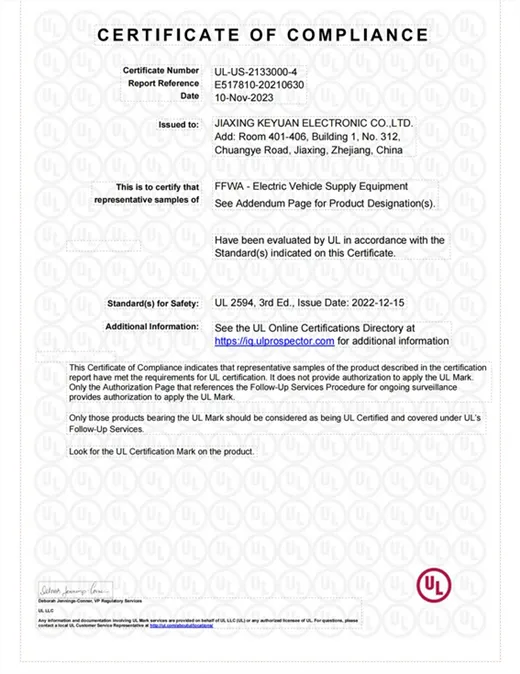
Certificate


Frequently Asked Questions
Q: What does DC stand for in DC charging?
Q: How does DC charging differ from AC charging?
Q: What is the typical charging speed of a DC fast charger compared to a Level 2 charger?
Q: Can any electric vehicle be charged with a DC fast charger?
Q: What is the standard voltage range of a DC fast charger?
Q: Are DC chargers more expensive than AC chargers?
Q: What is the maximum power output of a DC fast charger?
Q: How long does it take to charge an electric vehicle using a DC fast charger?
Q: What is the difference between CHAdeMO and CCS connectors?
Q: Can DC fast chargers be used for residential installations?
Q: What is the typical cost of installing a DC fast charger at a commercial location?
Q: Are there any limitations to using DC fast chargers frequently?
Q: How do I know if my electric vehicle is compatible with a specific DC fast charger?
Q: Can DC fast chargers be used in conjunction with solar panels?
Q: What is the typical lifespan of a DC fast charger?
Q: How often should I maintain my DC fast charger?
Q: What happens if there's an issue with my DC fast charger?
Q: Are there any government incentives for installing DC fast chargers?
Q: Can I charge two electric vehicles simultaneously using the same DC fast charger?
Q: What should I do if I encounter a problem while using a public DC fast charger?
Hot Tags: level 3 fast charger, China level 3 fast charger manufacturers, suppliers, factory, AC EV Charger, 300 KW Charger, High Voltage Electric Car Charger, Public Fast Chargers, Portable Electric Car Charger, AC Charger