


AC EV Charger
Zhejiang Sinray Electronics : Your Trustworthy AC EV Charger Supplier!
Zhejiang Sinray Electronics Co., Ltd. is one of the leading companies in China specializing in the research, development and sales of new energy electric vehicle charging stations and AC and DC charging piles. We have a strict quality assurance system, a complete management system, and high-quality product after-sales service which are our foundation.
Rich Products
We can produce AC electric vehicle chargers, DC electric vehicle chargers, portable electric vehicle chargers, DC fast chargers, 30KW DC electric vehicle chargers, AC vehicle chargers and 22KW AC chargers, etc.
Products Widely Used
We manufacture products for residential charging, commercial use, parking lots, public spaces, dealers and service centers, corporate campuses, municipal infrastructure, car-sharing services and more.
Customizable
Our products can be OEM customized and we hold more than 60 utility model patents; we also provide comprehensive solutions including process flow support, automation technology, services and training.
Quality Assurance
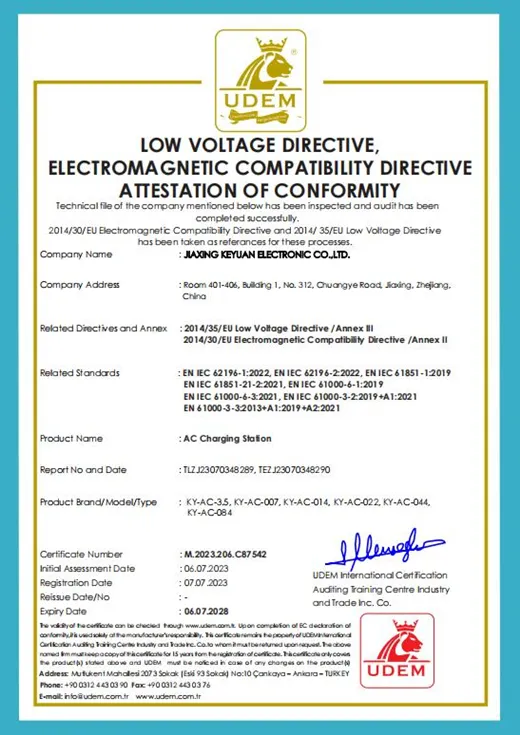
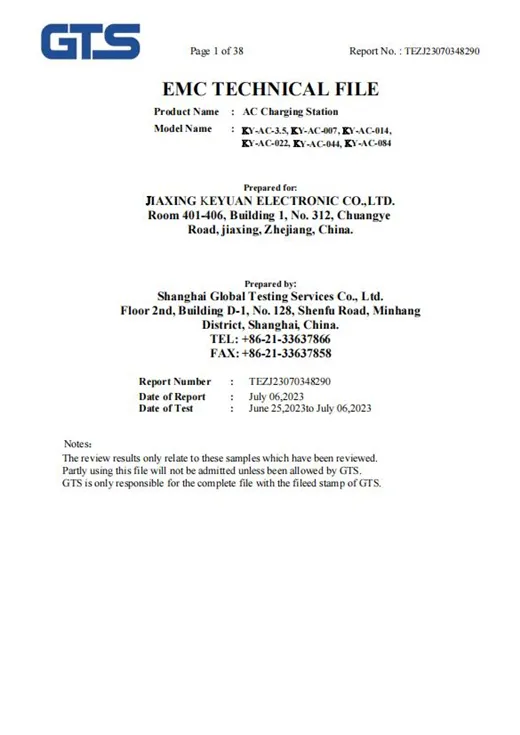
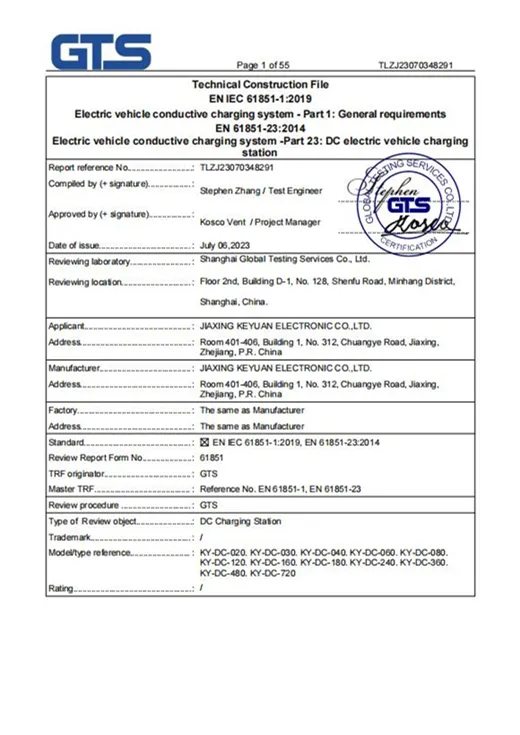
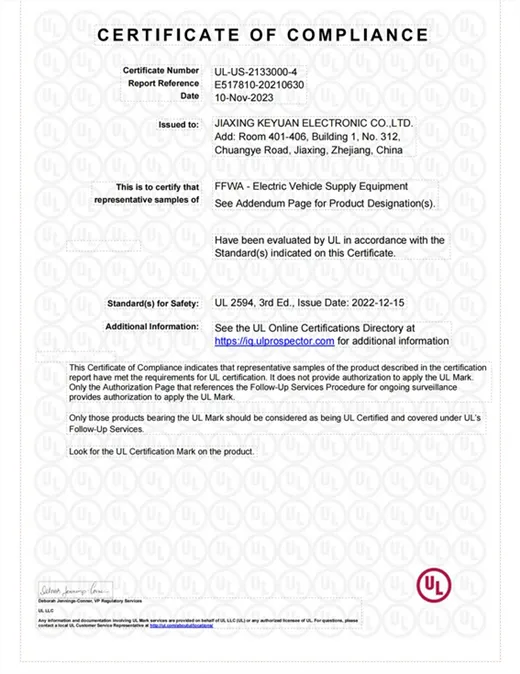
The products produced by our company have passed GTS and CE quality standards. During the warranty period, we will provide after-sales service free of charge.
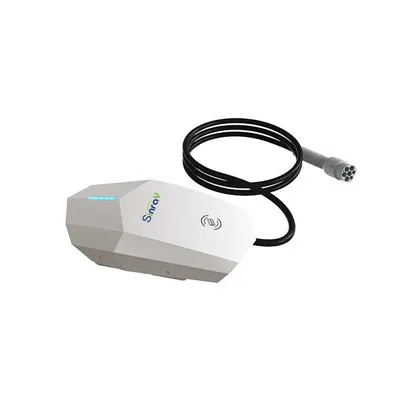
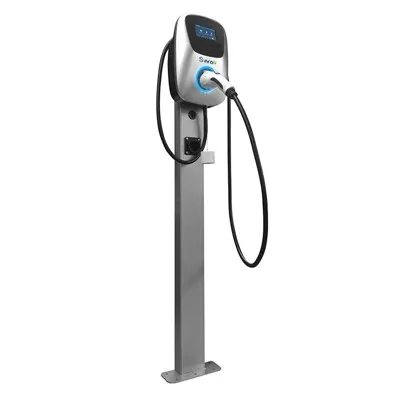

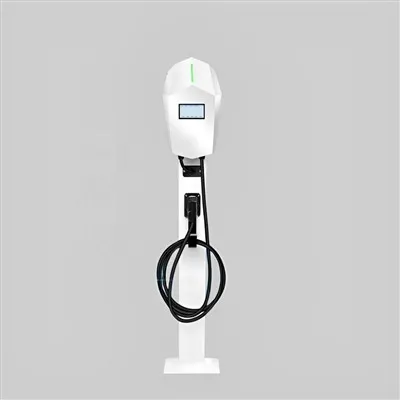

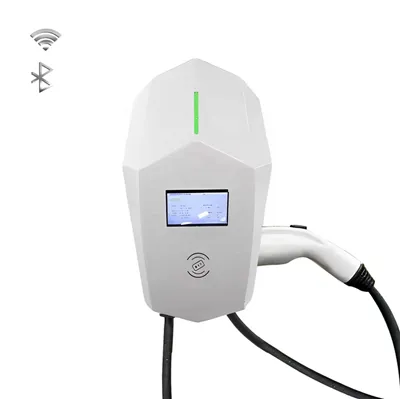


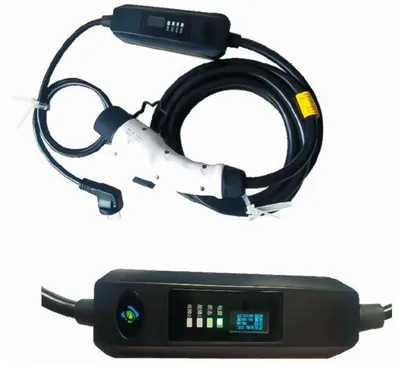
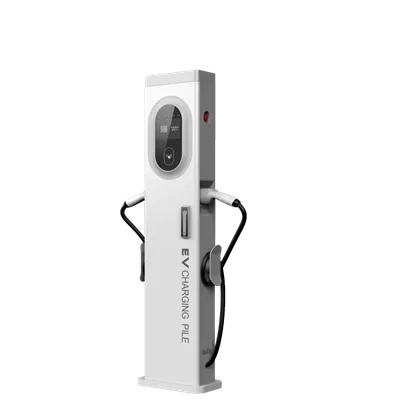

An AC EV charger, or alternating current electric vehicle charger, is a device used to charge electric vehicles by converting alternating current (AC) from a power source into direct current (DC) that can be stored in the vehicle's battery. These chargers are commonly found in residential, commercial, and public settings to recharge electric vehicles efficiently. AC EV chargers come in various power capacities and charging speeds to accommodate different types of electric vehicles and charging needs.
Features of AC EV Charger
Multiple Protection
AC EV Charger has lightning protection, leakage, overvoltage, undervoltage, overheating, and overcurrent protection. LED indicators help read charging status and improve visibility in the dark. IP55 waterproof.
Equipped With User Interface
AC EV Charger is equipped with an easy-to-operate user interface, including a display and buttons or touch screen, allowing users to monitor charging status, adjust settings and pay fees.
Flexible
Our products have convenient compatibility and control systems. AC EV Charger is compatible with all electric vehicles, including Tesla. You can also choose the right charging speed for your electric car and home.
Weatherproof Design
The AC EV Charger is designed for any climate, so your charging cord remains flexible in even the coldest weather.
Products Description
Level 1, 120 Volt AC charging is the ‘entry-level’ option, and much slower as a result. The bonus is if you don’t mind adding a miserly 3 to 5 miles of range per hour is that it allows you to plug in and charge at home without having to install any specialist charging equipment. Overnight makes the most sense and lets you avoid the public charger scenario altogether.
Level 2, which is 208 Volts to 240 Volts AC, is speedier and your options are greater, although there are still limitations. You might get up to 80 miles from an hour’s charge, though this could drop down to just over 10 in other cases. EV chargers that offer Level 2 charging are becoming more commonplace, however, and can often be the ones to look for at locations like fast food outlets, shopping mall complexes and hotels.
Level 3 DC rapid charging is the most appealing in terms of speed and efficiency. The 400 Volts to 900 Volts DC rapid charge and Supercharging options can deliver up to 20 miles per minute thanks to that direct current supply and higher voltage rating.
Parts of AC EV Charger
Input Socket
The input receptacle is the charger's physical connection point, usually to accept a base plug or charging cable plug. This part must be able to adapt to the power supply in order to supply the power required by the charger.
Filter
After receiving AC power, filters are sometimes used to reduce electromagnetic interference and stabilize current loads to ensure stable power output.
Rectifier
Rectifiers are a critical part of converting AC power into DC power. This conversion is to match the DC power required to charge electric vehicle batteries.
Current Sensor
Current sensors are used to monitor and measure the current delivered to the electric vehicle battery to ensure the charger is delivering the appropriate amount of current based on the vehicle's needs.
Voltage Sensor
Voltage sensors are used to monitor and measure the output voltage to ensure that proper voltage levels are maintained during charging.
Communication Interface
Some advanced chargers may include communication interfaces to communicate with electric vehicles or other systems to monitor charging status, implement safety controls, etc.
Protective Device
Protection devices include overcurrent protection, overvoltage protection, overtemperature protection, etc., ensuring that the charger and electric vehicle are protected under various unexpected conditions during the charging process.
Charge Controller
A charge controller is used to monitor the charging process, ensure the proper charging current and voltage are delivered, and implement adjustments when necessary to maximize battery life.
Cooling System
Some high-power chargers may include cooling systems to ensure that the device maintains a stable temperature during operation and avoids overheating. This helps ensure long-term stability and durability of the charger.
Working Principle of AC EV Charger
Power Conversion
The AC EV Charger receives electricity from the grid at a specific voltage and frequency. It converts the AC power into DC power required by the EV’s battery.
Power Level
AC EV Charger come in various power levels, ranging from 3.7kW to 22kW. Higher power levels allow for faster charging, reducing the overall charging time.
Battery Capacity
The size and capacity of the EV’s battery pack play a significant role in determining the charging time. A larger battery pack will require more time to charge fully compared to a smaller one.
State of Charge (SoC)
Charging speed often decreases as the battery approaches its full capacity. Most AC EV Charger is designed to charge rapidly during the initial stages but slow down as the battery reaches 80% capacity to safeguard its longevity.
Vehicle’s Onboard Charger
The efficiency and power output capability of the vehicle’s onboard charger can affect the charging duration. EVs equipped with more advanced onboard chargers can handle higher input power, resulting in faster charging times.
Grid Voltage and Current
The voltage and current supplied by the grid can impact the charging speed. Higher voltage and current levels allow for faster charging, provided the EV and charger can handle them.
Benefits of Using AC EV Charger
Smart Charging Options
AC EV Charger supports smart charging functions, which can remotely monitor and manage the charging process through a smartphone application to improve convenience.
Strong Security
AC EV Chargers typically have built-in safety features such as overload protection, short-circuit protection, and ground fault interruption, reducing the risk of electric shock.

How to Choose AC EV Charger
Compatibility
Make sure the charger you choose is compatible with your electric vehicle. Different makes and models of vehicles may require different types of charging plugs or connectors.
Charging Speed
Choose a charger with the right charging rate based on your needs and anticipated charging needs. High-power chargers can recharge batteries faster, but they can also be more expensive.
Safety
Make sure the charger you choose complies with relevant safety standards and regulations to ensure safety and reliability during the charging process. Look for a charger with multiple protection features (e.g. overcurrent, overheating, overvoltage protection).
Portability
If you need to move your charger between home and work, consider a lightweight, easy-to-carry charger, or opt for a stationary charging unit that's easy to install and flexible.
Smart Functions
Some modern AC EV chargers have smart features such as remote control, timed charging, charge level monitoring, etc. These features can provide you with a more convenient charging experience.
Price and Brand
Consider your budget and choose a reliable brand. While price may be a factor, quality and performance are equally important. Choose a cost-effective charger.
Installation Requirements
Before purchasing a charger, make sure you understand the installation requirements. Some chargers require professional installation, while others may be suitable for do-it-yourself installation.
Service and Support
Choose a charger brand that provides good after-sales service and support to ensure that you can receive timely support and help if problems arise during use.
How to Install AC EV Charger
Determine the Installation Location
First, determine the best location to install the AC EV charger in your home or business. Consider whether the location is close to the parking area for electric vehicles and the distance from the power source (power lines) is suitable for installing charging equipment.
Obtain Necessary Licenses and Approvals
Before installing an AC EV charger, make sure to obtain permission and approval from the local government or relevant agencies. Some areas may require a professional electrician for installation.
Buy the Equipment You Need
Buy an AC EV charger that suits your needs. Make sure it meets your electric vehicle's charging needs and complies with local standards and regulations.
Check Power Circuit
To make sure the circuit can handle the extra load, have your power circuit checked by a professional electrician.
Install the Fixed Bracket
Follow the charger's installation instructions to install the mounting bracket. Make sure the mounting bracket is firm, level and stable.
Install the Charger Cable
Connect the charger's cable to the appropriate power circuit. Always be sure to disconnect power and follow installation instructions. Please note: Be sure to turn off the power before wiring.
Test Charger
After connecting the charger, perform the necessary tests. Make sure the charger is functioning properly and the electric vehicle can be charged successfully.
Security Considerations
Always follow safety regulations when installing an AC EV charger. Make sure all connections are secure and wires are well insulated to avoid any hazards that could result in electric shock or fire.
Regular Inspection and Maintenance
Once installed, check the charger and associated wires regularly to make sure everything is operating properly. If you find any problems, please contact professional technicians in time.
How to Use AC EV Charger Properly
Prepare the Charger
Before plugging in your EV, make sure the charger is compatible with your vehicle's connector type. Check that the charger is properly connected to a functioning power outlet or is installed correctly if it's a hardwired unit.
Safety First
Ensure that the cable and connector are not damaged. Inspect for any signs of wear or defects that could pose a risk during charging. Always prioritize your safety and the safety of others around you.
Connect the Charger to the Vehicle
Locate your EV's charge port. Some vehicles have lights or indicators that show when it is ready to charge. Insert the connector firmly into the port until you hear a click or a lock engage, signaling a secure connection. If there's a locking mechanism, engage it to prevent theft or accidental unplugging.
Start the Charging Process
On the charger, there may be buttons or a touchscreen to activate the charging process. Follow the instructions provided by the charger's interface. If you're using a smartphone app, ensure it's connected to the charger and follow the app's prompts.
Monitor the Charge
Keep an eye on the charging status through the charger's interface or your vehicle's dashboard. Some chargers allow you to set a target charge level or end time, which will automatically stop the charging process once the set criteria are met.
Avoid Interruptions
Try to avoid disconnecting and reconnecting the charger frequently, as this can reduce the efficiency of the charging session. Also, try to avoid charging during times when electricity demand is high, as this can put extra strain on the grid and may slow down the charging speed.
End the Charge Session
Once the vehicle is fully charged or when you decide to stop charging, use the charger's interface or the smartphone app (if applicable) to end the session. Unlock the connector from the vehicle's charge port and remove it carefully. Make sure the connector is stowed appropriately, either back on the charger or in a designated storage area in your vehicle.
Maintenance
Regularly check the charger and charging cable for any signs of damage and keep them clean. Following the manufacturer's maintenance recommendations ensures the longevity and safe operation of your charging equipment.
How to Maintain AC EV Charger
Perform routine visual checks to ensure all components are in good condition. Look for signs of wear, loose connections, or damage.
Regularly clean the charger to prevent dirt and debris buildup, which can affect performance. Use a soft, dry cloth to wipe down the surfaces.
Test the charger periodically to ensure it is charging your EV correctly. Verify that the connections are secure and that the charging process is smooth.
If the charger is installed outdoors, make sure it is protected from harsh weather conditions to prevent damage. Consider using a weatherproof cover or housing.
Check the cables and connectors for any signs of fraying, rust, or corrosion. Replace any damaged parts immediately to prevent malfunctions or safety hazards.
Adhere to the maintenance guidelines provided by the manufacturer for your specific AC EV charger model. This will help ensure longevity and optimal performance.
If your charger has any software components, ensure that they are updated regularly to benefit from the latest features and improvements.
Consider having a professional electrician or technician inspect the charger periodically for any issues or for maintenance checks beyond your own abilities.
Applications of AC EV Charger
Home Charging
AC EV chargers are commonly used at home for residential charging of electric vehicles. They are convenient for overnight charging, allowing EV owners to start each day with a fully charged battery.
Workplace Charging
AC EV chargers are also used in workplace settings to provide employees with a convenient way to charge their electric vehicles while at work. This can help support the transition to electric vehicles and encourage sustainable commuting practices.
Public Charging Stations
AC EV chargers are often found at public charging stations, providing on-the-go charging options for electric vehicle owners at locations like parking lots, shopping centers, and other public spaces.
Fleet Charging
Companies with electric vehicle fleets can utilize AC EV chargers to keep their vehicles charged and ready for use. This helps in managing fleet operations efficiently and reducing maintenance costs.
Destination Charging
Hotels, restaurants, and other destinations can install AC EV chargers to attract EV owners to their locations. Offering charging facilities can bring in more customers and promote sustainable practices.
Utility Programs
Some utility companies offer programs that incentivize the installation of AC EV chargers, either at homes or public locations. These programs can help manage electricity demand, promote EV adoption, and support grid stability.
Certificate


Frequently Asked Questions
Q: How does an AC EV charger work?
Q: Can I use an AC charger with any electric car?
Q: What are the different types of AC chargers?
Q: Is it safe to use an AC charger overnight?
Q: How long does it take to charge an EV with an AC charger?
Q: Can AC chargers be installed outdoors?
Q: Are there any government incentives for installing an AC charger?
Q: How do I know the right charger for my electric car?
Q: Can I charge two EVs simultaneously with one AC charger?
Q: What is the maximum power output for a typical home AC charger?
Q: Does an AC charger need internet connectivity?
Q: How much does it cost to install an AC EV charger at home?
Q: What is the expected lifespan of an AC EV charger?
Q: Can AC chargers cause power outages in my home?
Q: What happens if there's a power surge while I'm charging?
Q: Can an AC charger be connected to solar panels?
Q: What is the difference between AC charging and DC charging?
Q: Should I unplug my EV when not in use while it's still partially charged?
Q: How can I ensure the efficiency of my AC EV charger?
Q: What should I do if my AC charger stops working?
We're well-known as one of the leading ac ev charger manufacturers and suppliers in China. If you're going to wholesale high quality ac ev charger, welcome to get more information from our factory. Also, custom service is available.
11KW AC Charger, AC EV Charging Pile, Autel AC Charger