


Zhejiang Sinray Electronics : Your Trustworthy Portable Charger For EV Car Supplier!
Zhejiang Sinray Electronics Co., Ltd. is one of the leading companies in China specializing in the research, development and sales of new energy electric vehicle charging stations and AC and DC charging piles. We have a strict quality assurance system, a complete management system, and high-quality product after-sales service which are our foundation.
Rich Products
We can produce AC electric vehicle chargers, DC electric vehicle chargers, portable electric vehicle chargers, DC fast chargers, 30KW DC electric vehicle chargers, AC vehicle chargers and 22KW AC chargers, etc.
Products Widely Used
We manufacture products for residential charging, commercial use, parking lots, public spaces, dealers and service centers, corporate campuses, municipal infrastructure, car-sharing services and more.
Customizable
Our products can be OEM customized and we hold more than 60 utility model patents; we also provide comprehensive solutions including process flow support, automation technology, services and training.
Quality Assurance
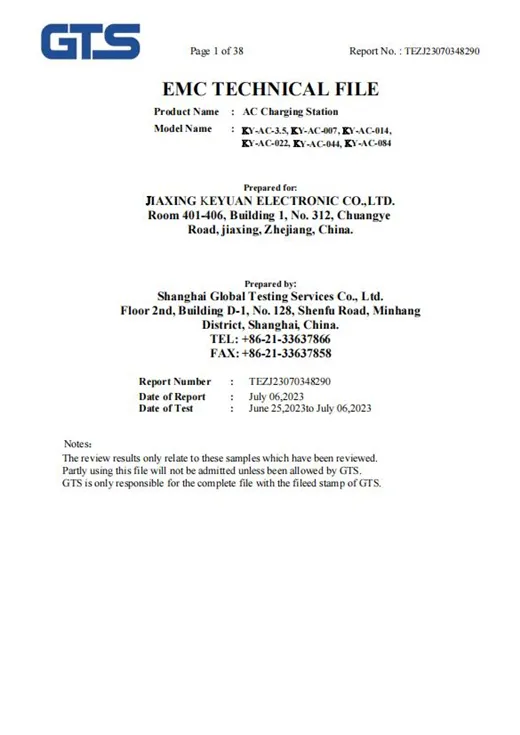
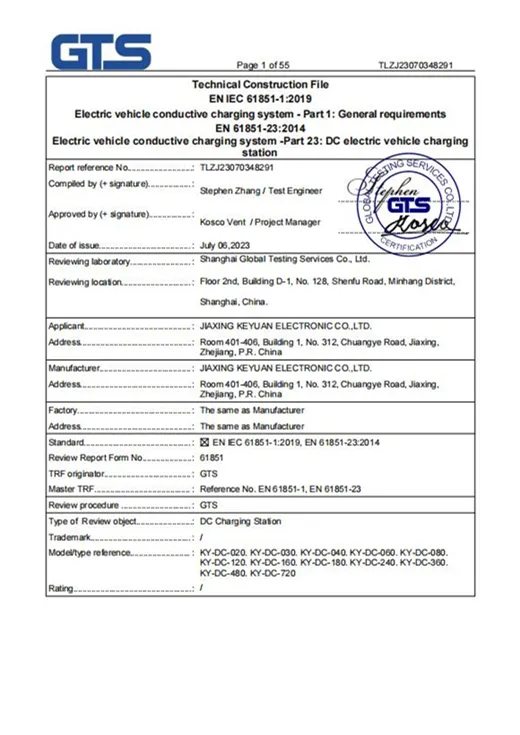
The products produced by our company have passed GTS and CE quality standards. During the warranty period, we will provide after-sales service free of charge.
Related Product Introduction

A mobile EV car charger refers to a portable device designed to charge the battery of an electric vehicle (EV). These chargers are typically compact and lightweight, allowing them to be easily transported in the trunk of an EV or in another vehicle when traveling. They are particularly useful for emergency charging situations where there are no readily available charging stations, or for topping up the battery during road trips.

A Portable Car Charger For EV is a compact, mobile device designed to charge an EV's battery using alternating current (AC) from standard household electrical outlets or dedicated home charging stations. These portable chargers are also known as level 1 (L1) chargers because they operate at a standard household voltage, usually 110 to 120 volts.

Ev Portable Fast Charger For Electric Vehicle
An EV Portable Fast Charger for Electric Vehicles is a specialized device designed to rapidly charge an electric vehicle's battery when away from home or traditional charging stations. Unlike standard portable chargers, which are essentially Level 1 chargers providing power at household current levels (110-120 volts), portable fast chargers are more akin to Level 2 chargers that operate at higher voltages (208-240 volts).

Mobile electric car chargers are portable devices designed to charge electric vehicles wherever they may be, providing flexibility and convenience for EV owners. These chargers come in various power ratings, typically ranging from Level 1 (110-120 volts) to Level 2 (220-240 volts), and are compatible with different types of connectors such as Type 1, Type 2, CHAdeMO, or CCS.

7KW Portable Elecetric Car Charge
A 7kW Portable Electric Car Charger is a mobile electric vehicle (EV) charging unit that provides an output power of 7 kilowatts. This type of charger is categorized as a Level 2 charger, which is more powerful than the standard Level 1 charger that comes with most EVs and plugs into a household outlet.

Emergency Portable Ev Car Charger
An Emergency Portable EV Car Charger is a compact, lightweight device designed for electric vehicle owners to carry in their vehicles for use during unexpected situations when they may run out of charge away from home or standard charging stations. These chargers are typically capable of connecting to standard household electrical outlets or may include an inverter that allows for charging from a 12-volt DC source, such as a car cigarette lighter or a portable power bank.

EV Rescue Portable Electric Vehicle Charging Syste
The EV Rescue Portable Electric Vehicle Charging System is a compact, portable device designed to provide emergency charging for electric vehicles (EVs). This system is intended for use by emergency services personnel, roadside assistance providers, or individuals who may find themselves with an EV that has run out of charge in an area without immediate access to a charging station.
Emergency Portable Ev Car Charge
An Emergency Portable EV Car Charger is a compact, lightweight device designed for electric vehicle owners to carry in their vehicles for use during unexpected situations when they may run out of charge away from home or standard charging stations. These chargers are typically capable of connecting to standard household electrical outlets or may include an inverter that allows for charging from a 12-volt DC source, such as a car cigarette lighter or a portable power bank.
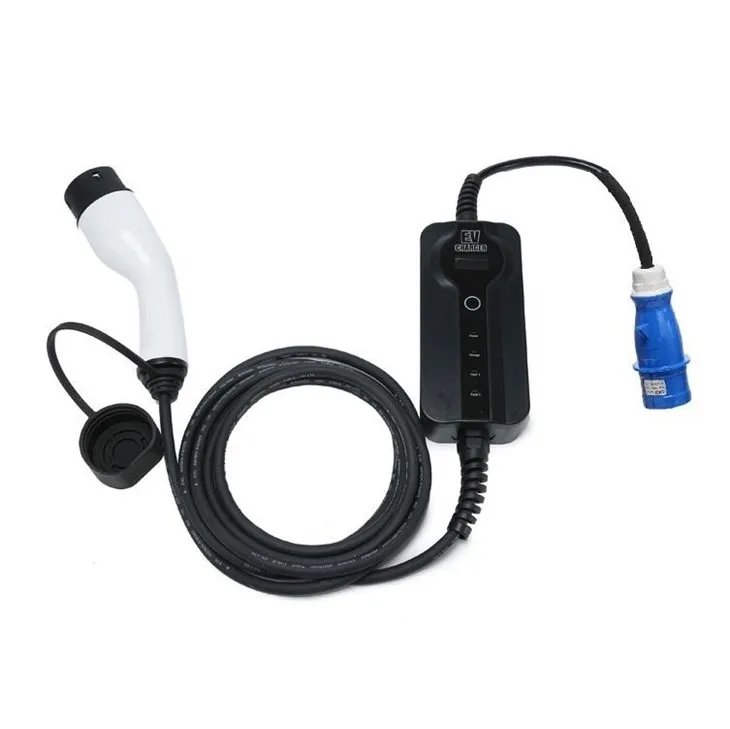
A Portable 220V EV Charger, also known as a level 2 mobile charger, is a compact and versatile charging device designed for electric vehicles. It allows users to charge their EVs from a standard household 220V (also referred to as 240V in some countries) AC outlet, which is similar to what you might use for a clothes dryer or stove. This voltage provides a faster charge than the standard 110V (level 1) charging typically found in residential garages.
What is Portable Charger For EV Car
A portable charger for an electric vehicle (EV) is an external battery pack or charging unit designed to be carried by the EV owner. Its primary function is to allow for charging of the EV's battery wherever the owner may be, provided there is access to a power source such as a standard household outlet, a camping generator, or any other compatible power supply.
Features of Portable Charger For EV Car
An efficient temperature management system helps maintain charger performance in a variety of environmental conditions, preventing overheating and ensuring longevity.
Multifunctional Power Input
Portable Charger For EV Car supports multiple power inputs such as standard household sockets (110-120V AC), industrial sockets (220-240V AC), and even DC input from solar panels or generators.
Adjustable Charging Rate
Portable Charger For EV Car allows users to adjust the charging rate to match the capabilities of the power source or the requirements of the electric vehicle, optimizing charging time and preventing potential damage from overcharging.
Integrated Circuit Protection
To protect against electrical failures, portable chargers often contain advanced circuitry that can detect and protect against overcurrent, overvoltage, and short circuits.
Parts of Portable Charger For EV Car
AC to DC Converter
This component is responsible for converting the alternating current (AC) from the power source into direct current (DC), which is required for most electric vehicle batteries.
Control Unit
The control unit manages the operation of the charger, including power management, communication with the electric vehicle, and monitoring of charging status. It may include a microprocessor and software to ensure safe and efficient charging.
Power Cord and Plug
These are the physical connections that connect the charger to the electric vehicle and the power source. They need to be strong enough to handle power demands, yet flexible enough to be easily maneuvered.
Circuit Breakers and Fuses
These protective components help prevent damage from overcurrent conditions by interrupting the flow of electricity when necessary. They are critical for protecting chargers and electric vehicle battery systems.
Casing
The charger's casing provides protection for the internal components from the environment and potential damage during transportation and use.
Indicator Light or Display
This section provides visual feedback on the charger's status, including power connection, charging progress, and any errors that may have occurred during operation.
Connector Adapter
Depending on the design, some portable chargers may include adapters that allow them to connect to various types of electrical outlets or different EV charging port standards.
Integrated Intelligence
Modern portable chargers may feature smart technology such as Wi-Fi or Bluetooth connectivity, allowing for remote control via smartphone apps, firmware updates, and integration with energy management systems.
Benefits of Using Portable Charger For EV Car
Some portable EV chargers feature smart connectivity options, such as Bluetooth or Wi-Fi, that can remotely monitor charging status, control the charging process, and integrate with smart home systems.
Clear indicator lights or displays provide real-time feedback on charging progress, connection status and any error messages to aid user interaction.
A reputable portable EV charger will adhere to industry safety standards and certifications, such as UL (Underwriters Laboratories) or CE (European Conformity Assessment) markings.
The length of the included charging cable affects the flexibility of use, the longer the cable, the further the distance between the power source and the electric vehicle.
Working Principle of Portable Charger For EV Car
Power Connection
The portable charger connects to an AC power source, which can be a standard household electrical outlet, a commercial power source, or any other compatible AC outlet.
Power Conversion
Once connected, the charger uses a built-in AC to DC converter to convert incoming alternating current (AC) to direct current (DC). This conversion is necessary because most electric vehicle batteries require direct current for charging.
Current Regulation
Chargers regulate the amount of current delivered to electric vehicle batteries to prevent overcharging, which can damage the battery and shorten its lifespan. This regulation is managed by the control unit within the charger.
Communication With Electric Vehicles
The charger communicates with the electric vehicle's on-board charger through a standardized communication protocol. This enables the charger to understand the EV charging requirements, such as maximum current draw and voltage limits, and adjust its operation accordingly.
Charging Process
The current and voltage are regulated to match the EV's specifications, and the DC power is then delivered to the EV's battery. The charging rate will depend on the power output of the portable charger and the capacity of the EV's on-board charger.
Security Monitoring
Throughout the charging process, the portable charger continuously monitors various parameters such as temperature, current, and voltage to ensure everything is within safe operating limits. If any anomalies are detected, the charger will take corrective action, such as reducing the charging rate or disconnecting power completely, to prevent damage.
Indicator Feedback
The charger provides feedback to the user through indicator lights or a digital display showing the status of the charging process and any warnings or errors that may occur.
Disconnect
The charging process ends once the EV's battery is fully charged or the charger is disconnected from the power source or the EV. The portable charger can then be put away for later use.
How to Choose Portable Charger For EV Car
Compatibility With Your Electric Vehicle
Verify that the portable charger is compatible with the make and model of your electric vehicle. Some chargers are designed for specific makes or models, while others have broader compatibility. Check the manufacturer's specifications or ask your electric vehicle dealer.
Power Output
A charger's power output, measured in kilowatts (kW), determines how quickly it can charge an electric vehicle. Higher power output usually means faster charging times. Consider how long you need to charge your car and choose a charger that balances speed and practicality based on your use case.
Cable Length and Quality
The length of the cable affects the distance of the electric vehicle from the power source. Make sure the cable length is sufficient for your typical charging situations. Also, check the quality of the cables as they should be durable and able to withstand repeated use.
Weight and Portability
Since the charger must be portable, consider its weight and size. A heavier or larger charger can be more cumbersome to transport and use, especially if you need to move it frequently.
Charging Time
Estimate charging time based on the charger's power output and the EV's battery capacity. This will help you determine if the charger can meet your time efficiency needs.
Built-in Security Features
Look for safety features such as overvoltage protection, overtemperature protection, short circuit prevention, and ground fault protection. These features are critical to protecting the charger and electric vehicle from potential damage.
Smart Functions
Some portable chargers offer smart features such as GPS tracking, remote monitoring, and integration with mobile apps for managing charging sessions, scheduling, and checking the charging status of your electric vehicle. Evaluate whether these features add value to your experience.
Price
Compare the prices of different portable charger models and consider their features and capabilities. Make sure the cost fits your budget and the value you expect to get.
Brand Reputation and Warranty
Choose a reputable brand that offers a warranty on its portable charger. This gives you peace of mind and ensures that the product is reliable and that you will have support if any issues arise.
How to Use Portable Charger For EV Car
Prepare Charger
Before you go, make sure your portable charger is fully charged if it comes with its own battery. Check the charger and cable for any obvious damage.
Using Electric
Find a suitable AC outlet. This can be a standard household socket, a dedicated charging station or any other compatible power source.
Connect Charger to Power Source
Plug the charger into the power source using the appropriate cable. Make sure the connection is secure.
Connect Charger to Electric Car
Connect the charger to your electric vehicle's charging port using an appropriate connector (which may be a Type 1 or Type 2 plug, depending on your region and vehicle). Push the connector firmly until it snaps into place and locks into the port.
Start Charging Process
If the charger has a power button or switch, activate it to start charging. Some chargers automatically turn on when connected.
Monitor Charging
Keep an eye on charging progress via the charger's indicator light or your electric vehicle's dashboard. Most modern electric cars have a display showing charging status.
Security Check
During the charging process, regularly check that the connections are secure and that no part of the charger is damaged or poses a risk of fire.
End Charging
Unlock the connector from the EV charging port when the EV is fully charged or reaches the preset limit. If the connector does not release automatically, press the release button or gently pull on the connector to unlock it.
Unplug the Charger
Disconnect the charger from the power source and store the charger and cables safely. Make sure the charger is dry and free of debris before storing.
How to Maintain Portable Charger For EV Car
Regular Cleaning: Wipe the charger with a soft, dry cloth to remove dust and debris. Use a damp cloth if necessary, but avoid getting the charger's electronic components wet. Do not immerse the charger in water.
Check Cables and Connectors: Check the charger's cables and connectors for signs of wear, fraying, or damage. Make sure all connections are intact and there are no exposed wires.
Check For Damage: Inspect the charger for any signs of physical damage, including cracks, dents, or discoloration that may indicate internal problems.
Store: Store the portable charger in a cool, dry place away from direct sunlight or extreme temperatures. Avoid storing it near flammable materials or in small spaces where it could be crushed.
Keep Updating: If the charger has firmware, be sure to update it when a new version is released. This improves performance and adds new functionality.
Battery Maintenance: If the portable charger has an integrated battery, do not allow it to completely discharge between uses. It is best to keep the battery partially charged when not in use. Avoid extreme temperatures during storage and use.
Follow Manufacturer Instructions: Always follow the manufacturer's maintenance and care guidelines. They provide best practices tailored to the specific designs and materials used in chargers.
Use Regularly: Regular use of a portable charger helps keep your battery healthy. Lithium-ion batteries don't like to sit dormant for long periods of time.
Check For Software Updates: Check regularly for software updates that can enhance charger functionality or resolve bugs.
Certificate




Frequently Asked Questions
Q: What is a portable charger for an EV?
Q: Are all portable EV chargers compatible with any EV?
Q: Can I use a portable charger anywhere?
Q: What is the difference between Level 1 and Level 2 portable chargers?
Q: How fast can I expect my EV to charge with a portable charger?
Q: Do portable EV chargers come with cables?
Q: Can I leave the portable charger connected to my EV all the time?
Q: What safety features should I look for in a portable EV charger?
Q: Are portable EV chargers weatherproof?
Q: Does a portable EV charger need its own power supply?
Q: Is it possible to charge two EVs simultaneously with one portable charger?
Q: Can I take a portable EV charger with me on road trips?
Q: How long does it typically take to charge an EV with a portable charger?
Q: Can I monitor the charging process with a portable charger?
Q: What is the lifespan of a portable EV charger?
Q: How much does a portable EV charger typically cost?
Should I buy a portable EV charger from the same manufacturer as my EV?
Not necessarily, but using OEM chargers ensures compatibility and can sometimes offer better warranties or service.
Q: Can a portable EV charger be used as a backup in case of a power outage?
Q: How should I store my portable EV charger when not in use?
Q: How does a portable EV charger work?
Hot Tags: ev rescue portable electric vehicle charging system, China ev rescue portable electric vehicle charging system manufacturers, suppliers, factory, EV Car Fast Charger, Level 3 DC Charger, High Speed Electric Car Charger, DC Fast Charging Stations, Fast Home Car Charger, AC EV Charging Pile