

Hey there! As a supplier of 11 KW AC chargers, I've gotten tons of questions about how these chargers handle low - voltage situations. So, I thought I'd break it down for you in this blog.
First off, let's understand what low - voltage means. In a typical electrical grid, the standard voltage in many places is around 220 - 240V for residential areas. When the voltage drops below this normal range, say to 180V or even lower, we're dealing with a low - voltage situation. This can happen due to various reasons like overloading of the electrical grid during peak hours, long power lines causing voltage drops, or issues with local transformers.
Now, how does an 11 KW AC charger respond to these low - voltage scenarios? Well, most of our 11 KW AC chargers are equipped with smart voltage detection systems. These systems constantly monitor the incoming voltage. When they detect that the voltage has dropped below a certain safe threshold, the charger will automatically adjust its charging parameters.
For instance, the charger might reduce the charging current. Since power (P) is calculated as the product of voltage (V) and current (I), i.e., P = V x I, when the voltage drops, to keep the charger from overworking or getting damaged, it will lower the current. So, if the normal charging current at 220V is around 50A for an 11 KW charger (because 11000W = 220V x 50A), when the voltage drops to 180V, the charger might reduce the current to around 30A or so. This way, the power output is still within a safe and manageable range for both the charger and the electric vehicle's battery.
Another important feature is the charger's ability to shut down safely in case of extremely low voltage. If the voltage drops to a level where it's no longer possible to charge the vehicle efficiently or safely, the charger will cut off the power supply. This is a crucial safety measure to prevent any potential damage to the charger and the vehicle's battery.
Let's talk about the impact on charging time. When the charger reduces the charging current due to low voltage, it's obvious that the charging time will increase. A full charge that normally takes a few hours at the standard voltage might take significantly longer during a low - voltage situation. But this is a necessary trade - off to ensure the safety and longevity of the charger and the battery.
Now, you might be wondering how this compares to other types of chargers. Our Electric Vehicle Home Charging Station and EV Plug In Charger are designed with similar low - voltage protection mechanisms. However, the 11 KW charger is more powerful, which means it has a higher tolerance for voltage fluctuations compared to lower - power chargers.
If you're into fast charging, you might be interested in the level 2 charging speed. While the 11 KW charger offers even faster charging under normal conditions, during low - voltage situations, it will still prioritize safety over speed.

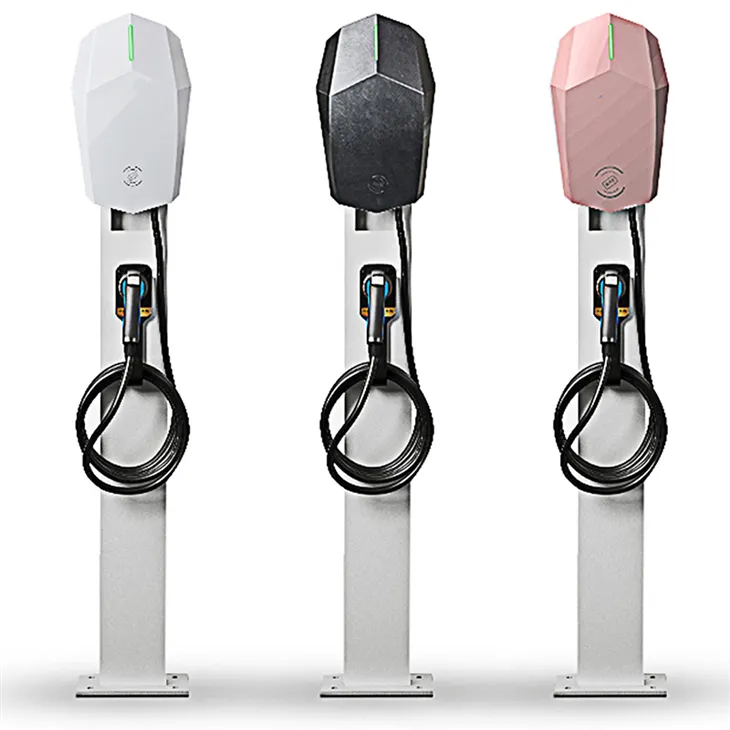
One of the things we've done as a supplier is to conduct extensive testing on our 11 KW AC chargers. We simulate various low - voltage scenarios in our labs to ensure that the chargers can handle them effectively. We also use high - quality components that are more resistant to voltage fluctuations. This not only improves the charger's performance but also its reliability in the long run.
We know that low - voltage situations can be frustrating for EV owners. But with our 11 KW AC chargers, you can have peace of mind knowing that your vehicle is being charged safely even when the voltage is less than ideal.
If you're in the market for a reliable 11 KW AC charger, or if you have any questions about how our chargers handle low - voltage situations, don't hesitate to reach out. We're here to help you make the best choice for your electric vehicle charging needs. Whether you're a home user looking for a convenient charging solution or a business owner planning to install multiple chargers, we've got the expertise and the products to meet your requirements.
In conclusion, our 11 KW AC chargers are designed to be smart and adaptable when it comes to low - voltage situations. They use advanced technology to protect themselves and your vehicle's battery while still providing a reliable charging experience. So, if you're ready to take the next step in your EV charging journey, get in touch with us for more information and to start the procurement process.
References
- Electrical Engineering textbooks on power systems and battery charging technology
- Internal research and testing reports from our company's R & D department