

Picking the right spot to install an AC charger for your electric vehicle (EV) is crucial. As a supplier of AC chargers for EVs, I've seen firsthand how the location can make or break the charging experience. In this blog, I'll share some tips on how to choose a suitable location for your EV's AC charger.
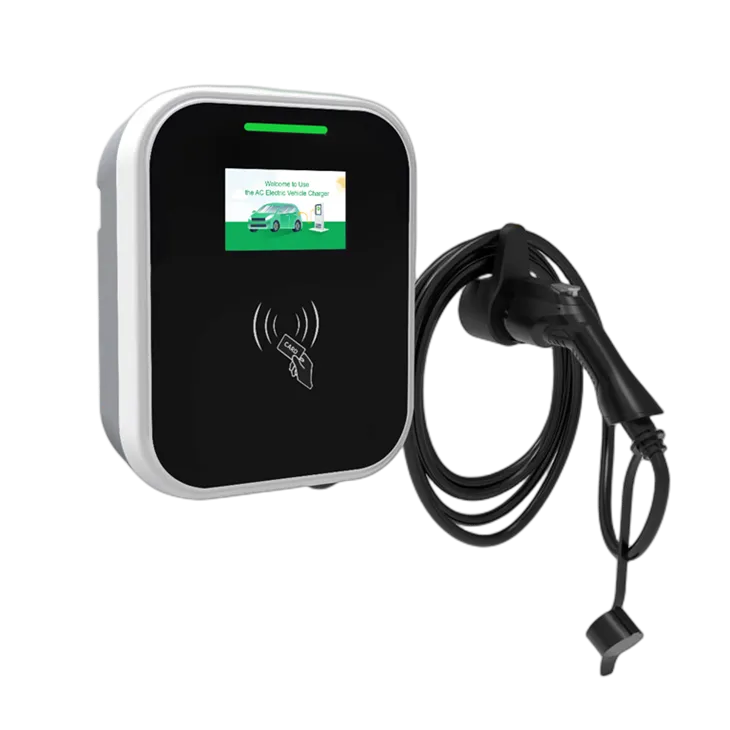

Accessibility
First off, accessibility is key. You want to make sure the charger is easy to reach for both you and your EV. It should be close to where you park your vehicle regularly. If you have a garage, that's often the ideal place. It's protected from the elements, and you can easily plug in your car every time you get home.
But what if you don't have a garage? No worries. You can still install the charger in your driveway. Just make sure it's not in a spot where it could get in the way of traffic or be easily damaged. You also want to ensure that there's enough space around the charger for you to comfortably connect and disconnect your EV.
Another thing to consider is the height of the charger. It should be installed at a height that's easy for you to reach. If it's too low, you might have to bend down too much, which can be uncomfortable. If it's too high, it could be difficult to plug in the charger. A good rule of thumb is to install the charger at a height that's between 3 and 4 feet off the ground.
Electrical Capacity
The next thing you need to think about is the electrical capacity of the location. Your EV charger will require a significant amount of power, so you need to make sure the electrical system in your home or business can handle it. You should consult with a licensed electrician to determine the electrical capacity of your existing system and whether it needs to be upgraded.
Most AC chargers for EVs operate at either 120 volts (Level 1) or 240 volts (Level 2). Level 1 chargers are slower and are typically used for overnight charging at home. Level 2 chargers, on the other hand, are faster and can fully charge your EV in a few hours. If you're planning to use a level 2 electric vehicle charger, you'll need to make sure your electrical system can support it.
In addition to the voltage, you also need to consider the amperage of the charger. The amperage determines how quickly the charger can deliver power to your EV. Higher amperage chargers will charge your EV faster, but they also require a larger electrical service. Make sure you choose a charger with an amperage that's compatible with your electrical system.
Safety
Safety is always a top priority when it comes to installing an EV charger. You want to make sure the charger is installed in a location that's safe from damage and won't pose a risk to you or others. Here are some safety tips to keep in mind:
- Avoid water exposure: Make sure the charger is installed in a dry location and is protected from water. If it's installed outdoors, it should be in a weatherproof enclosure.
- Keep it away from flammable materials: Don't install the charger near any flammable materials, such as gasoline, oil, or propane.
- Use a dedicated circuit: Your EV charger should be connected to a dedicated circuit to prevent overloading the electrical system.
- Install a ground fault circuit interrupter (GFCI): A GFCI will protect you from electrical shock in case of a fault.
Future Expansion
When choosing a location for your EV charger, it's also a good idea to think about future expansion. If you plan to add more EVs to your fleet in the future, you'll want to make sure there's enough space and electrical capacity to accommodate additional chargers.
You might also want to consider installing a charger that's compatible with future technologies. For example, some chargers are designed to be upgraded to support faster charging speeds or to integrate with smart home systems. By choosing a charger that's future-proof, you can avoid having to replace it in the future.
Aesthetics
While functionality and safety are the most important factors when choosing a location for your EV charger, aesthetics can also play a role. You want the charger to blend in with its surroundings and not be an eyesore.
If you're installing the charger in your home, you might want to choose a location that's hidden from view, such as in a corner of the garage or behind a screen. You can also choose a charger with a sleek and modern design that will look good in your space.
Other Considerations
There are a few other things to consider when choosing a location for your EV charger. Here are some additional tips:
- Check local regulations: Before installing an EV charger, make sure you check local regulations and building codes. Some areas may have specific requirements for the installation of EV chargers.
- Consider the proximity to other electrical devices: You want to make sure the charger is installed away from other electrical devices, such as heaters, air conditioners, and refrigerators. This will prevent interference and ensure the charger operates efficiently.
- Think about the user experience: The location of the charger should be convenient for you to use. You should be able to easily access the charger and plug in your EV without having to navigate through obstacles.
In conclusion, choosing a suitable location for your EV's AC charger requires careful consideration of several factors, including accessibility, electrical capacity, safety, future expansion, aesthetics, and local regulations. By taking the time to choose the right location, you can ensure that your charger operates efficiently and safely, and that you have a hassle-free charging experience.
If you're in the market for an AC charger for your EV, I'd love to help. We offer a wide range of 22KW AC EV Charger that are reliable, efficient, and easy to install. We also provide DC Charger 22KW for those who need faster charging speeds. If you have any questions or would like to discuss your specific needs, please don't hesitate to reach out. We're here to help you make the right choice for your EV charging needs.
References
- Electric Vehicle Charging Equipment Installation Guide, U.S. Department of Energy
- National Electrical Code (NEC), National Fire Protection Association
- Local building codes and regulations