

As a supplier of 180 KW EV chargers, ensuring the safety of our products is of paramount importance. The safety of an EV charger directly impacts the well - being of users, the longevity of electric vehicles, and the overall growth and acceptance of the electric vehicle market. In this blog post, I will share the steps and methods we use to test the safety of our 180 KW EV chargers.

1. Electrical Safety Testing
Insulation Resistance Testing
Insulation resistance is a key parameter in determining the safety of electrical equipment. For our 180 KW EV chargers, we use specialized insulation resistance testers. These testers send a DC voltage across the insulation material of the charger's electrical components, such as the power cables and transformers.
We follow international standards (e.g., IEC 61851 - 1) which typically require a minimum insulation resistance value. A low insulation resistance can indicate damaged insulation, which may lead to electric shock hazards or short - circuits. By regularly testing the insulation resistance during the production process and before shipment, we can ensure that the charger has proper electrical isolation.
Dielectric Withstand Testing
Dielectric withstand testing, also known as hipot testing, checks the ability of the charger's insulation to withstand high voltages without breaking down. We apply a high AC or DC voltage (usually higher than the normal operating voltage) to the charger for a specified period (e.g., 60 seconds).
If the charger passes the test without any flashovers or excessive leakage current, it indicates that the insulation can withstand abnormal voltage spikes that may occur in the electrical grid or during charger operation. This test is crucial for protecting users from electrical shock and preventing damage to the charger and the connected electric vehicle.
2. Thermal Safety Testing
Temperature Monitoring
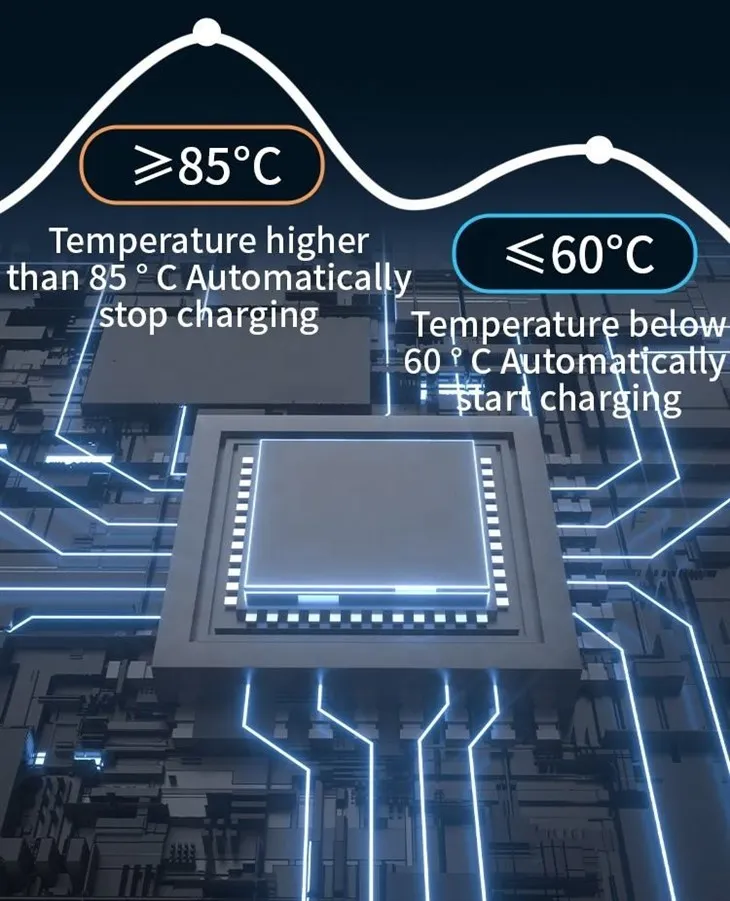
The 180 KW chargers generate a significant amount of heat during operation due to their high power output. To prevent overheating, which can damage components and pose a fire hazard, we install temperature sensors at critical points in the charger, such as the power semiconductor devices, transformers, and power cables.
During testing, we operate the charger at its maximum rated power for an extended period while continuously monitoring the temperatures. The data is collected and analyzed to ensure that the temperatures remain within the acceptable range specified by the component manufacturers and safety standards. If the temperature exceeds the limit, we investigate and make necessary adjustments, such as improving the cooling system design.
Cooling System Efficiency Testing
A good cooling system is essential for maintaining the thermal safety of a high - power EV charger. We test the cooling system's efficiency by measuring parameters such as the airflow rate, coolant flow rate (if it is a liquid - cooled system), and the temperature difference between the inlet and outlet of the cooling medium.
We also simulate various operating conditions, including high ambient temperatures, to ensure that the cooling system can effectively dissipate heat under all circumstances. This helps us to identify any potential bottlenecks or inefficiencies in the cooling design and make improvements accordingly.
3. Mechanical Safety Testing
Enclosure Integrity Testing
The enclosure of the 180 KW EV charger serves as the first line of defense against physical damage and environmental factors. We conduct enclosure integrity tests to ensure that it is robust enough to protect the internal components.
This includes impact tests, where we use a standardized impactor to strike the enclosure at specified locations and with a certain force. We also check for the ingress protection (IP) rating of the enclosure. The IP rating indicates the degree of protection against solid objects and water ingress. For EV chargers, a high IP rating (e.g., IP54 or higher) is often required to protect against dust and water splashes.
Mounting and Structural Stability Testing
The charger must be stable throughout its installation and operation. We test the structural integrity of the mounting brackets and the overall charger structure. This involves subjecting the charger to vibrations, equivalent to those that may occur during transportation or while the vehicle is charging on uneven ground.
We also check the torque of the mounting bolts to ensure that they are tightened to the correct specifications. A loose charger can pose a safety risk, as it may fall or become dislodged, causing damage to the charger and potentially harming users.
4. Electromagnetic Compatibility (EMC) Testing
Radiated and Conducted Emissions Testing
Electromagnetic emissions from the EV charger can interfere with other electronic devices in its vicinity, such as radio receivers, communication systems, and even the vehicle's own electronic control units. We test both radiated emissions (emissions that are radiated into the air) and conducted emissions (emissions that are conducted along the power lines).
We use specialized EMC test chambers equipped with antennas and spectrum analyzers to measure the emissions levels. The charger must comply with international EMC standards, such as CISPR 11, to ensure that it does not cause excessive electromagnetic interference.
Immunity Testing
In addition to emissions testing, we also perform immunity testing to ensure that the charger can operate correctly in the presence of external electromagnetic interference. This includes testing the charger's resistance to radio - frequency electromagnetic fields, electrostatic discharges, and electrical fast - transients.
By subjecting the charger to these simulated interference scenarios, we can identify any weaknesses in its design and take measures to improve its immunity. This helps to ensure the reliable operation of the charger and the connected electric vehicle.
5. Functional Safety Testing
Charging Control and Protection Testing
The charger's control system is responsible for managing the charging process safely. We test the charging control algorithms to ensure that they can accurately measure the battery's state of charge, adjust the charging current and voltage accordingly, and stop the charging process when necessary.
We also test the protection functions of the charger, such as over - current protection, over - voltage protection, under - voltage protection, and short - circuit protection. These protection mechanisms are designed to prevent damage to the battery and the charger in case of abnormal operating conditions.
Communication and Interlock Testing
Modern EV chargers often communicate with the electric vehicle and the charging infrastructure. We test the communication protocols between the charger and the vehicle to ensure that they are reliable and secure.
Interlock systems, which are used to prevent the charger from operating when the charging cable is not properly connected or when the vehicle's charging port is open, are also thoroughly tested. This helps to prevent electrical hazards during the charging process.
In conclusion, testing the safety of a 180 KW EV charger is a comprehensive process that involves multiple aspects of electrical, thermal, mechanical, electromagnetic, and functional safety. As a supplier, we are committed to providing high - quality and safe chargers to our customers. If you are interested in our DC Car Charging solutions, Ev Fast Dc Charger products, or even our 30KW Charger, we welcome you to contact us for further procurement discussions. We are always ready to offer you the best products and services to meet your needs.
References
- IEC 61851 - 1: Electric vehicle conductive charging system - Part 1: General requirements
- CISPR 11: Industrial, scientific and medical equipment - Radio - frequency disturbance characteristics - Limits and methods of measurement