

As a supplier of 22KW AC chargers, I've encountered numerous inquiries regarding the regulations for installing these chargers in public areas. Understanding these regulations is crucial for anyone planning to set up charging stations, whether it's a business owner looking to attract electric vehicle (EV) users or a municipality aiming to enhance public infrastructure. In this blog, I'll delve into the key regulations and considerations for installing a 22KW AC charger in public spaces.
Electrical Requirements
One of the primary considerations when installing a 22KW AC charger is the electrical capacity of the site. A 22KW charger typically operates at a high voltage and requires a dedicated electrical circuit. The electrical system must be able to handle the additional load without overloading or causing safety hazards.
Power Supply
The charger needs a stable power supply with sufficient capacity. In most cases, a three - phase electrical supply is required for a 22KW AC charger. The local electrical utility company should be consulted to ensure that the site can be connected to the appropriate power grid. They can also provide information on any necessary upgrades or permits for the electrical connection.
Electrical Panel Upgrades
Often, the existing electrical panel at the installation site may need to be upgraded to accommodate the 22KW charger. This involves increasing the panel's amperage rating and adding a dedicated breaker for the charger. A licensed electrician should perform these upgrades to ensure compliance with electrical codes and safety standards.
Wiring
Proper wiring is essential for the safe and efficient operation of the charger. The wiring must be sized correctly to handle the high current of the 22KW charger. It should also be installed in a conduit to protect it from damage and meet electrical code requirements.
Safety Regulations
Safety is of utmost importance when installing a 22KW AC charger in public areas. There are several safety regulations that must be followed to protect users and prevent electrical accidents.
Grounding
The charger must be properly grounded to prevent electrical shocks. This involves connecting the charger to a grounding electrode, such as a ground rod or a metal water pipe. The grounding system should be tested regularly to ensure its effectiveness.
Over - current Protection
Over - current protection devices, such as circuit breakers, must be installed to prevent damage to the charger and the electrical system in case of a short circuit or overload. These devices should be sized correctly based on the charger's specifications.
Enclosure and Protection
The charger should be installed in a suitable enclosure that provides protection against environmental factors, such as rain, dust, and vandalism. The enclosure should be made of a durable material and have appropriate ingress protection (IP) ratings. For example, an IP54 rating indicates protection against dust ingress and splashing water.
User Safety Features
The charger should be equipped with user - safety features, such as a residual current device (RCD) or a ground fault circuit interrupter (GFCI). These devices can detect electrical leaks and quickly cut off the power to prevent electric shock.
Permitting and Licensing
Before installing a 22KW AC charger in a public area, it is necessary to obtain the required permits and licenses.
Building Permits
A building permit is usually required for the installation of the charger. This involves submitting detailed plans of the installation, including the electrical layout, the location of the charger, and the proposed enclosure. The local building department will review these plans to ensure compliance with building codes and zoning regulations.
Electrical Permits
An electrical permit is also required for the electrical work associated with the charger installation. This permit ensures that the electrical installation is performed by a licensed electrician and meets all electrical safety standards.
Business Licensing
If the charger is part of a commercial charging station, additional business licensing may be required. This can include a business license from the local municipality and any necessary permits for operating a charging service.
Accessibility and Location
The location of the 22KW AC charger in a public area is subject to accessibility regulations.
ADA Compliance
In the United States, chargers must comply with the Americans with Disabilities Act (ADA) requirements. This includes providing accessible parking spaces near the charger, ensuring that the charger controls are within reach of people with disabilities, and providing clear signage.
Visibility and Signage
The charger should be located in a visible and easily accessible area. Clear signage should be provided to indicate the location of the charger, its availability, and any usage instructions.
Network Connectivity and Communication
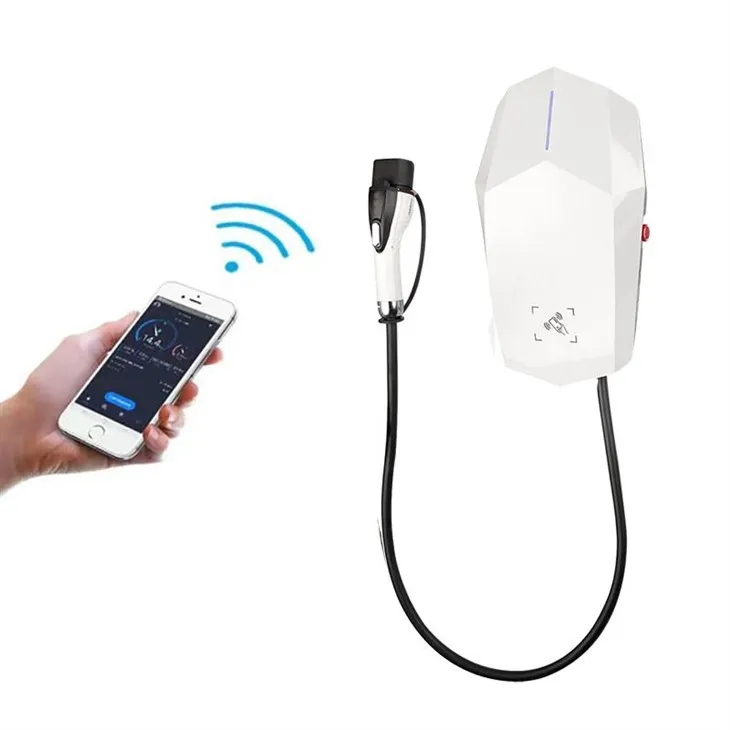
Many modern 22KW AC chargers are connected to a network for remote monitoring, payment processing, and software updates.
Internet Connectivity
The charger needs a reliable internet connection, either through Wi - Fi, Ethernet, or cellular data. This connection allows the charger to communicate with the charging network operator and provides real - time information on charger status and usage.
Data Security
As the charger communicates sensitive data, such as user payment information, data security is a significant concern. The charger and the associated network should have appropriate security measures in place, such as encryption and firewalls, to protect user data.
Compatibility and Standards
The 22KW AC charger must comply with relevant industry standards and be compatible with a wide range of electric vehicles.
Charging Standards
The charger should support common charging standards, such as the Type 2 connector in Europe and the J1772 connector in North America. This ensures that it can be used by a variety of EV models.
Certification
The charger should be certified by recognized testing laboratories, such as UL (Underwriters Laboratories) in the United States or CE (Conformité Européene) in Europe. These certifications indicate that the charger meets safety and performance standards.
Our 22KW AC Chargers
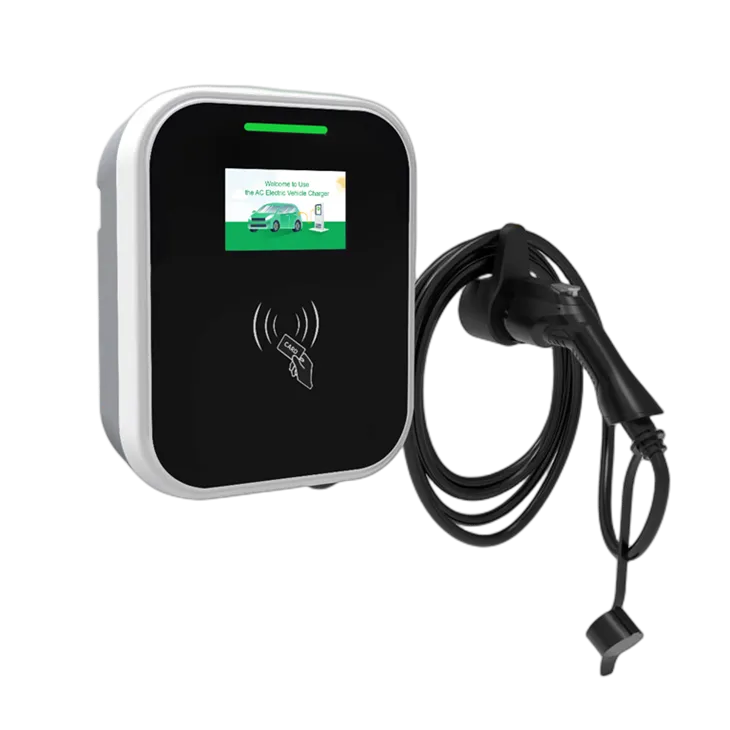
At our company, we offer high - quality 22KW AC EV Chargers that are designed to meet all the necessary regulations and standards. Our chargers are built with the latest technology and safety features, ensuring reliable and efficient charging for electric vehicles.
In addition to our 22KW AC chargers, we also provide EV 7KW Home Chargers and Home AC Chargers for residential use. These chargers are easy to install and offer convenient charging solutions for EV owners at home.
If you are interested in purchasing our 22KW AC chargers or have any questions about the installation regulations, please feel free to contact us for a detailed consultation. We have a team of experts who can guide you through the process and help you ensure compliance with all the relevant regulations.
References
- National Electrical Code (NEC)
- Americans with Disabilities Act (ADA) guidelines
- Relevant industry standards for EV chargers, such as UL and CE standards.