


Product Features
AC and DC charging stations are two different types of electric vehicle charging equipment, with the main difference being the charging method and charging speed.
1. Charging method: AC charging station (AC): The AC charging station converts mains AC power into the AC power required for electric vehicles. The internal charger of an electric vehicle converts alternating current into direct current to charge the battery. The communication charging station is suitable for scenarios such as homes, communities, and office buildings.
DC Charging Station (DC): The DC charging station converts AC mains electricity into DC electricity and directly charges the battery of the electric vehicle. DC charging stations have higher conversion efficiency and faster charging speed. DC charging stations are suitable for public charging stations, highway service areas, and other scenarios.
2. Charging speed: AC charging station: The charging speed of AC charging station is relatively slow, usually taking several hours to complete charging. The power of AC charging stations is generally between 3.5kW and 22kW.
DC Charging Station (DC): DC charging stations have a fast charging speed and can charge the battery to 80% or even higher within 30 minutes to 1 hour. The power of DC charging stations is generally between 50kW and 350kW, and some super charging stations can even reach 400kW or above.
In short, the main difference between AC charging stations and DC charging stations lies in the charging method and charging speed.
Communication charging stations are suitable for households and low-power scenarios, with slower charging speeds; DC charging stations are suitable for scenarios such as public charging stations and highway service areas, with fast charging speeds.One of the biggest benefits of DC charging is its speed. With this type of charging, vehicles can go from empty to 80% charged in as little as 30 minutes. This means that drivers can hit the road again quickly, without having to worry about finding a place to stop and charge their vehicle for hours on end.
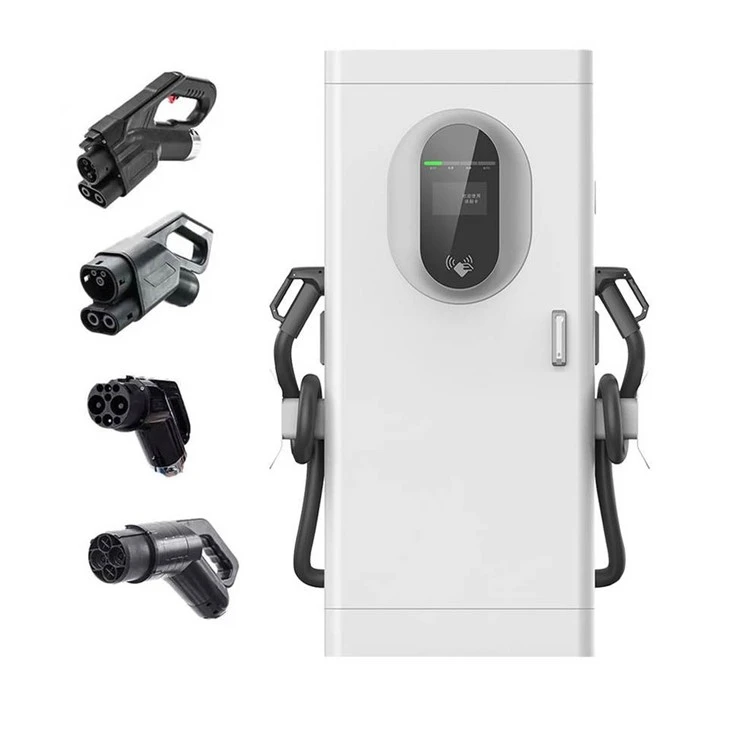
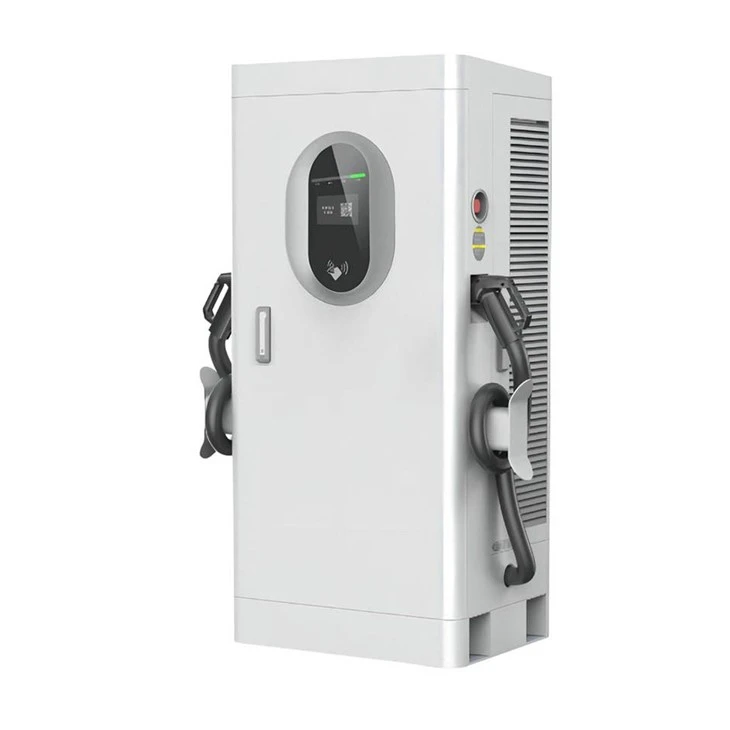
DC Charging Parameters
|
DC-60KW single or double guns |
K011 |
Power |
DC 60KW DC Charger |
|
Input Voltage |
AC(380V±20% 3 Phase - |
||
|
Rated output voltage |
DC150-1000V |
||
|
Frequency |
50-60Hz |
||
|
Communication Protocol |
OCPP 1.6J |
||
|
HMI |
7- Inch touch screen |
||
|
Cable Length |
5m |
||
|
Network Connection |
4G/Ethernet/RFID etc |
||
|
Connector Type |
CCS/CHAdeMO/GBT |
||
|
Communication Protocol |
OCPP 1.6J |
||
|
Protection Level |
IP54 |
||
|
Operating Temperature |
~-30C to +60C |
||
|
Product size |
720*557*1700 |
||
|
Package size |
770*610*1850 |
||
|
Net weight |
170KG |
||
|
Gross weigh |
180KG |


Safety Protections

Charger Available Brand

DC fast charging is also more convenient than other forms of charging. Unlike Level 1 and Level 2 chargers, which require installation at home or in a parking garage, DC chargers can be found at numerous public charging stations around the country. This makes charging on long distance trips much easier and more accessible.
Additionally, most major automakers have embraced DC charging technology and are designing their electric vehicles to be compatible with it. This means that drivers can choose from a wide variety of vehicles that are fully equipped to take advantage of the speed and convenience of DC charging.
Overall, DC fast charging is a game-changing technology that is helping to make electric vehicles more accessible and efficient. It's clear that the future of EV charging is firmly focused on fast and convenient charging options like DC charging, and we can't wait to see what new innovations will emerge in the years ahead.
Hot Tags: dc charging, China dc charging manufacturers, suppliers, factory, DC Electric Charging Stations, AC DC Charger For Car, EV Fast Charger, 120KW Charger, High Voltage Electric Car Charger, Portable Car Charger For Electric Car